
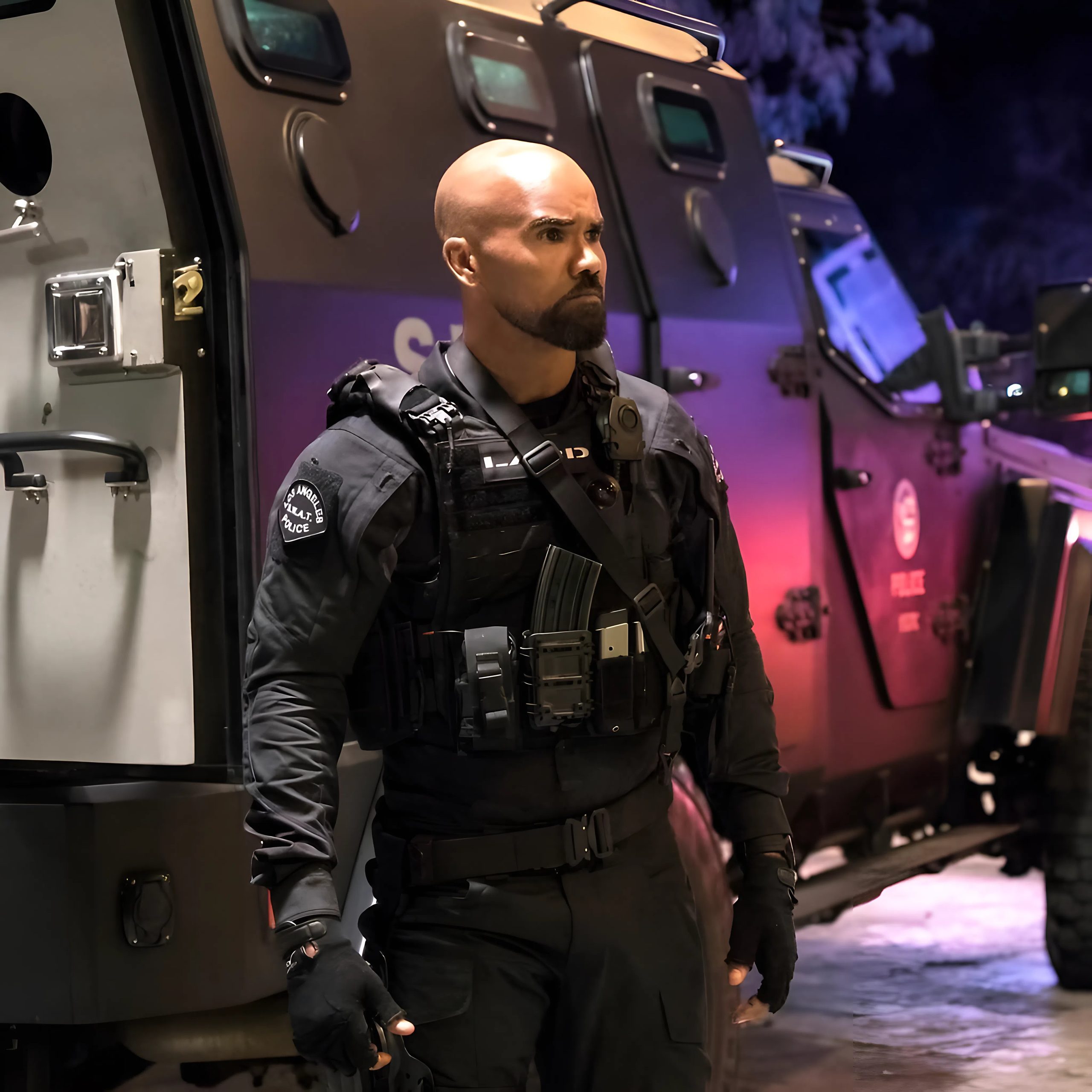
Why S.W.A.T. Never Needed a Signature Villain to Keep Fans Hooked
One of the biggest trends in modern television is creating unforgettable villains.
Many action series spend as much time developing their antagonists as they do their heroes, often giving them elaborate backstories, long-term story arcs, and dramatic rivalries. In some cases, the villain becomes more recognizable than the characters audiences are supposed to support.

S.W.A.T. largely resisted that approach.
Instead of building the series around one iconic criminal after another, the show kept its attention where it belonged—on the officers responding to the crisis. The threats changed from episode to episode, but the emotional core of the series remained remarkably consistent.
That creative decision helped S.W.A.T. maintain its identity throughout eight seasons.
The Emergency Was Always Bigger Than the Criminal
Unlike many action dramas, S.W.A.T. rarely suggested that every dangerous situation revolved around a single mastermind.
More often, the focus was on resolving the emergency itself.
Protecting civilians.
Containing rapidly changing situations.
Preventing further violence.
Capturing suspects certainly mattered, but it was only one part of a much larger mission.
By framing episodes this way, the series emphasized responsibility over revenge. The squad wasn’t motivated by personal grudges—they were motivated by the need to restore safety as quickly as possible.
That perspective gave the show a grounded tone that distinguished it from dramas built around endless hero-versus-villain rivalries.
Every Mission Presented a Different Kind of Challenge
Because the series wasn’t tied to recurring supervillains, the writers had greater freedom to explore different types of conflicts.
Some episodes centered on tense negotiations.
Others focused on high-risk rescues, coordinated tactical responses, or rapidly unfolding public emergencies.
The danger changed.
The circumstances changed.
Even the pace of the operations changed.
That constant variety kept the storytelling fresh while preventing audiences from feeling they were watching the same confrontation repeated with different faces.

The Squad Remained the Emotional Center
Keeping the spotlight on 20-Squad also meant viewers stayed invested in the people they had followed for years.
The emotional weight of an episode came less from asking, “Who is today’s villain?” and more from wondering how the team would adapt under pressure.
Would they find the safest solution?
Would they make the right call with limited information?
Would everyone return home safely?
Those questions created suspense without requiring an unforgettable antagonist in every episode.
Instead, the audience’s connection to the team became the driving force behind the series.
A Different Philosophy Than Many Modern Action Shows
Streaming-era action dramas often build entire seasons around a single enemy whose influence stretches across multiple episodes.
While that structure can be effective, it isn’t the only way to tell compelling stories.
S.W.A.T. proved that a procedural series could remain engaging by placing equal importance on preparation, teamwork, and decision-making rather than relying on one larger-than-life adversary.
The result was a show that felt less like a battle between heroes and villains and more like a realistic look at professionals responding to unpredictable situations.
Why That Decision Helped the Show Endure
Looking back, one of S.W.A.T.‘s smartest creative choices was refusing to let its antagonists overshadow its protagonists.
The villains came and went.
The emergencies changed.
The missions evolved.
But the heart of the series never shifted away from the officers whose dedication, discipline, and teamwork defined every episode.
That consistency became one of the show’s greatest strengths.
Long after viewers forget the names of individual suspects, they remember the people who stepped forward to face each new challenge—and that’s exactly where S.W.A.T. wanted the audience’s attention to be.