
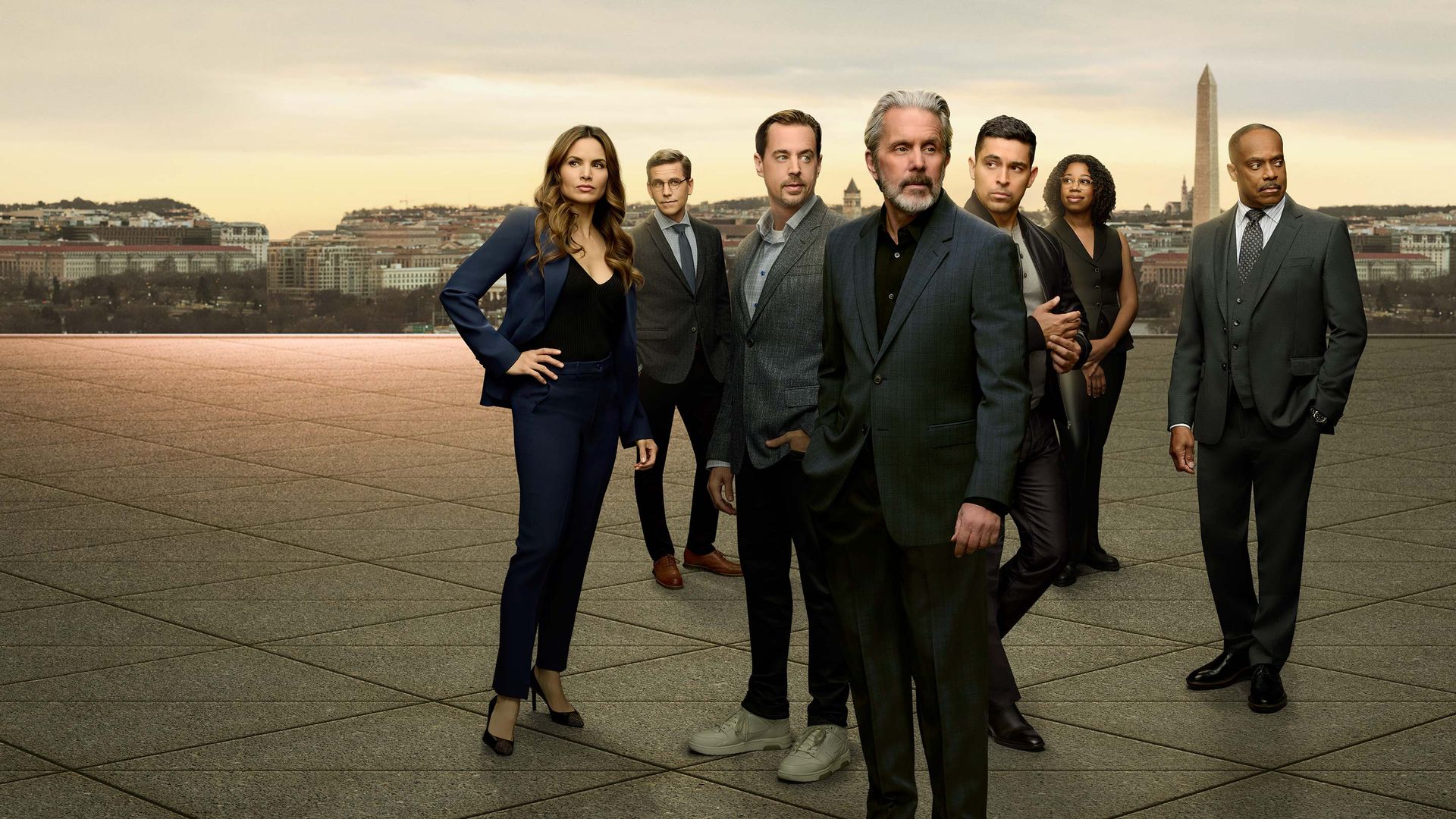
Why NCIS’ Co-Creator Left The Show After Four Seasons
Why ‘NCIS’ Co-Creator Donald P. Bellisario Abruptly Left The Hit Series After Just Four Seasons
Today, NCIS stands as one of the biggest television franchises in entertainment history. With more than two decades on the air, millions of loyal viewers worldwide, and multiple successful spinoffs, the CBS procedural has become a cultural phenomenon few could have predicted back in 2003.
But behind the scenes, the early years of NCIS were reportedly filled with far more tension, exhaustion, and creative conflict than fans ever realized.
Long before the series evolved into a global powerhouse, shocking friction allegedly developed between the show’s co-creator Donald P. Bellisario and key figures involved in production — including franchise star Mark Harmon.
Eventually, those growing tensions reportedly led Bellisario to step away from the very show he helped create after only four seasons.
For longtime NCIS viewers, the story remains one of the most dramatic and fascinating behind-the-scenes chapters in the franchise’s history.
Donald P. Bellisario Was Already A Television Legend
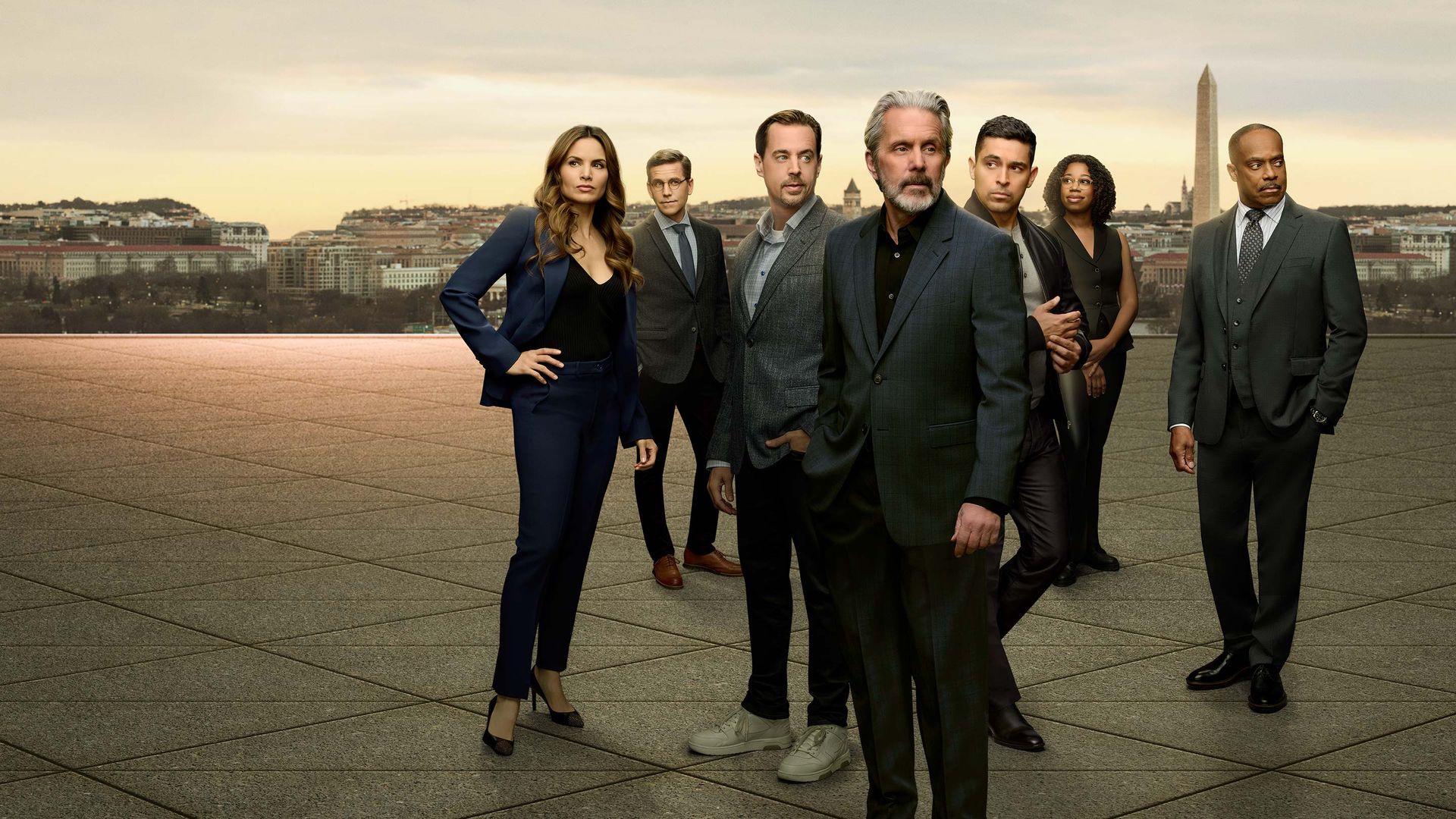
Before NCIS ever premiered, Donald P. Bellisario had already built one of the most respected careers in television.
The veteran producer and writer was responsible for creating several hugely successful series, including:
- “Magnum, P.I.”
- “Quantum Leap”
- “JAG”
- “Airwolf”
By the time NCIS launched as a spinoff of “JAG,” Bellisario was already known for his signature storytelling style — emotionally driven characters, military themes, layered mysteries, and a balance of humor with serious drama.
That storytelling DNA became deeply embedded in NCIS from the very beginning.
Although the series initially faced skepticism from critics, Bellisario’s formula slowly helped the show carve out its own identity. Rather than becoming just another crime procedural, NCIS evolved into something more emotional and character-focused.
At the center of that identity was Leroy Jethro Gibbs.
Mark Harmon’s Gibbs Changed Everything
When Mark Harmon stepped into the role of Gibbs, few could have predicted just how iconic the character would eventually become.
Harmon brought quiet authority, emotional restraint, and subtle intensity to the role. Unlike louder television heroes, Gibbs commanded attention through discipline, silence, and emotional control.
Viewers connected with him immediately.
As NCIS found its footing during its first few seasons, Gibbs gradually became the emotional anchor of the show. The chemistry between Harmon and the ensemble cast helped transform NCIS from a modest procedural into a breakout success for CBS.
But behind the scenes, reports suggested growing pressure was creating serious strain during production.
Behind-The-Scenes Tension Reportedly Escalated Quickly
According to longtime industry reports, Bellisario’s demanding production style allegedly became increasingly difficult for cast and crew members as NCIS grew more successful.
Television procedurals already operate under exhausting production schedules because of their large episode counts. However, reports claimed scripts were often delivered late, rewritten repeatedly, or changed at the last minute.
That reportedly created major stress on set.
As the workload intensified, frustrations allegedly began building among both the production team and actors trying to maintain the series’ demanding filming schedule.
And eventually, much of that reported frustration appeared to center around Mark Harmon.
Mark Harmon Allegedly Became Frustrated With Production Conditions
By the mid-2000s, Harmon had become far more than simply the lead actor of NCIS.
He was increasingly viewed as the stabilizing force behind the series itself.
According to multiple reports over the years, Harmon allegedly became concerned about the long hours and chaotic production environment developing behind the scenes. Some accounts suggested he grew frustrated with the pressure constant rewrites placed on both the cast and crew.
Industry rumors eventually claimed the tension between Harmon and Bellisario became serious enough that CBS executives were forced to intervene.
Although neither man publicly turned the situation into an ugly media feud, entertainment insiders widely linked Bellisario’s eventual departure to those escalating creative conflicts.
Bellisario Officially Left NCIS After Season 4
In 2007, Donald P. Bellisario officially stepped away from day-to-day involvement with NCIS after the show’s fourth season.
The news shocked many fans.
After all, Bellisario was not just another producer — he was one of the franchise’s founding creative voices. Without him, NCIS likely would not have existed in the first place.
Official statements surrounding the transition remained professional and relatively restrained. However, entertainment media widely reported that behind-the-scenes tensions played a major role in the decision.
Following Bellisario’s exit, executive producer Shane Brennan assumed greater creative control of the series.
And surprisingly, NCIS only became even bigger afterward.
The Show Entered Its Most Successful Era
After the creative shift, NCIS exploded into one of the most dominant television franchises in the world.
The series evolved into a ratings juggernaut and eventually launched multiple successful spinoffs, including:
- “NCIS: Los Angeles”
- “NCIS: New Orleans”
- “NCIS: Hawai’i”
- “NCIS: Sydney”
- “NCIS: Origins”
At the same time, the show leaned more heavily into emotional storytelling and character relationships.
Rather than focusing purely on weekly investigations, NCIS increasingly explored:
- Team loyalty
- Personal trauma
- Romance
- Grief
- Family dynamics
- Emotional healing
That emotional depth became one of the franchise’s defining strengths.
And many fans believe the series became even more emotionally accessible during its post-Bellisario years.
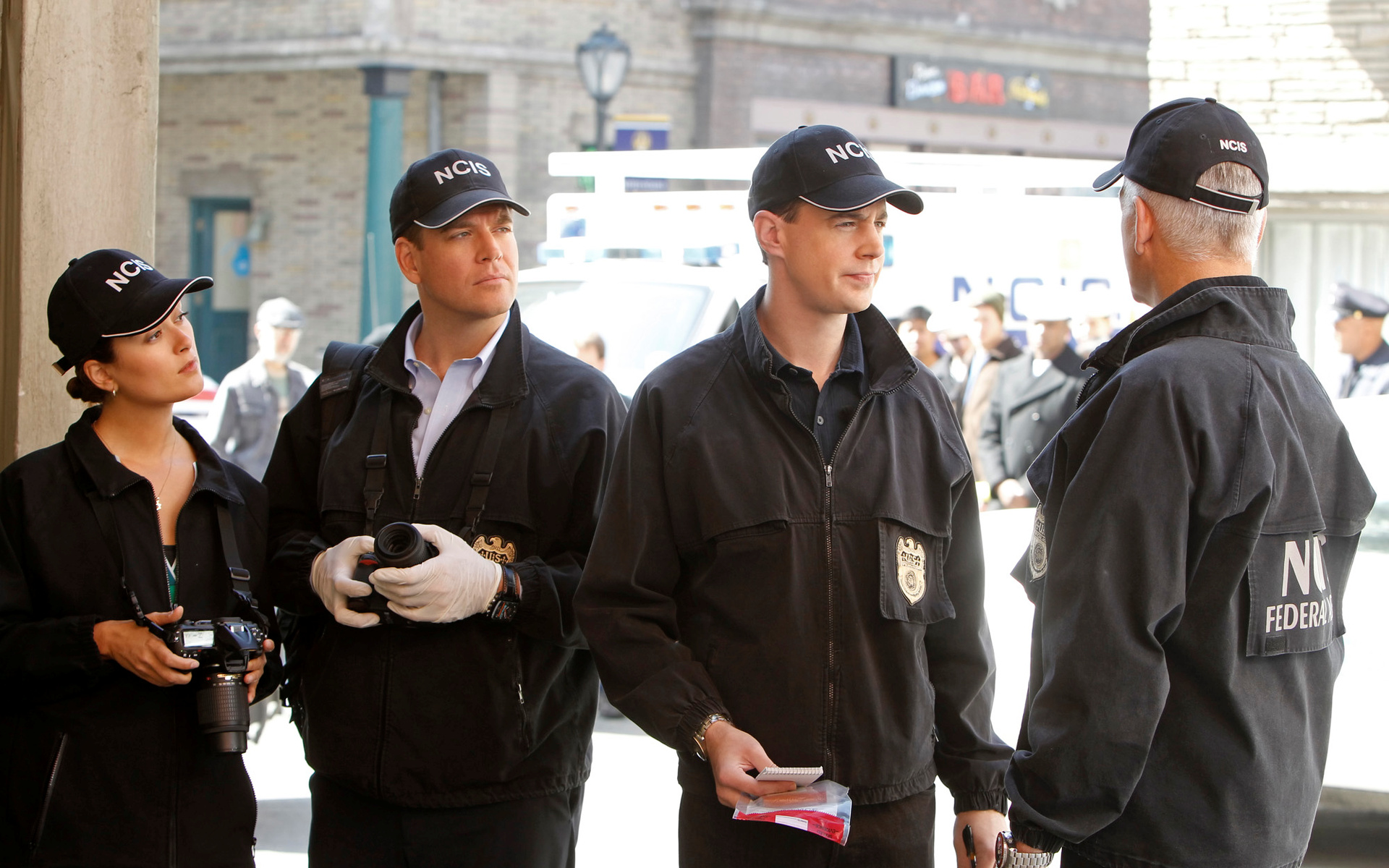
Fans Still Debate Bellisario’s Legacy Today
Even now, longtime NCIS viewers remain divided when discussing Bellisario’s complicated legacy within the franchise.
On one hand, fans recognize that his creative vision helped establish the emotional and structural foundation of the show itself. His military storytelling instincts and character-driven writing style shaped the DNA of NCIS from the very beginning.
Without Bellisario, there may never have been:
- Gibbs
- Ducky
- Tony DiNozzo
- Abby Sciuto
- The NCIS team dynamic fans fell in love with
But at the same time, reports surrounding the difficult production environment continue following discussions about his departure.
For many viewers, the behind-the-scenes conflict remains one of the franchise’s most surprising stories because it involved such a crucial creative figure during the show’s formative years.
Mark Harmon’s Leadership Became Central To NCIS
As NCIS continued evolving after Bellisario’s departure, Mark Harmon’s influence reportedly became even more important behind the scenes.
Eventually serving as an executive producer, Harmon helped guide the tone, stability, and long-term direction of the franchise during its most successful years.
Cast members frequently praised Harmon for maintaining a calm and professional environment during production.
That leadership likely played a major role in helping NCIS survive:
- Major cast departures
- Creative transitions
- Changing television trends
- Franchise expansion
- Two decades of network television pressure
For many fans, Harmon’s steady presence mirrored Gibbs himself.
The Early Drama Only Makes NCIS’ Success More Remarkable
Today, it is difficult to imagine television without NCIS.
The franchise has become one of the most recognizable brands in procedural entertainment history. But looking back, the series’ journey appears far more dramatic and uncertain than audiences realized during those early seasons.
Creative clashes, production pressure, and leadership changes could easily have derailed the show before it ever reached its full potential.
Instead, NCIS survived the turbulence and transformed into a global television empire.
And at the center of that story remains Donald P. Bellisario — the visionary creator who helped launch the franchise into history before unexpectedly stepping away from the phenomenon he helped build.