
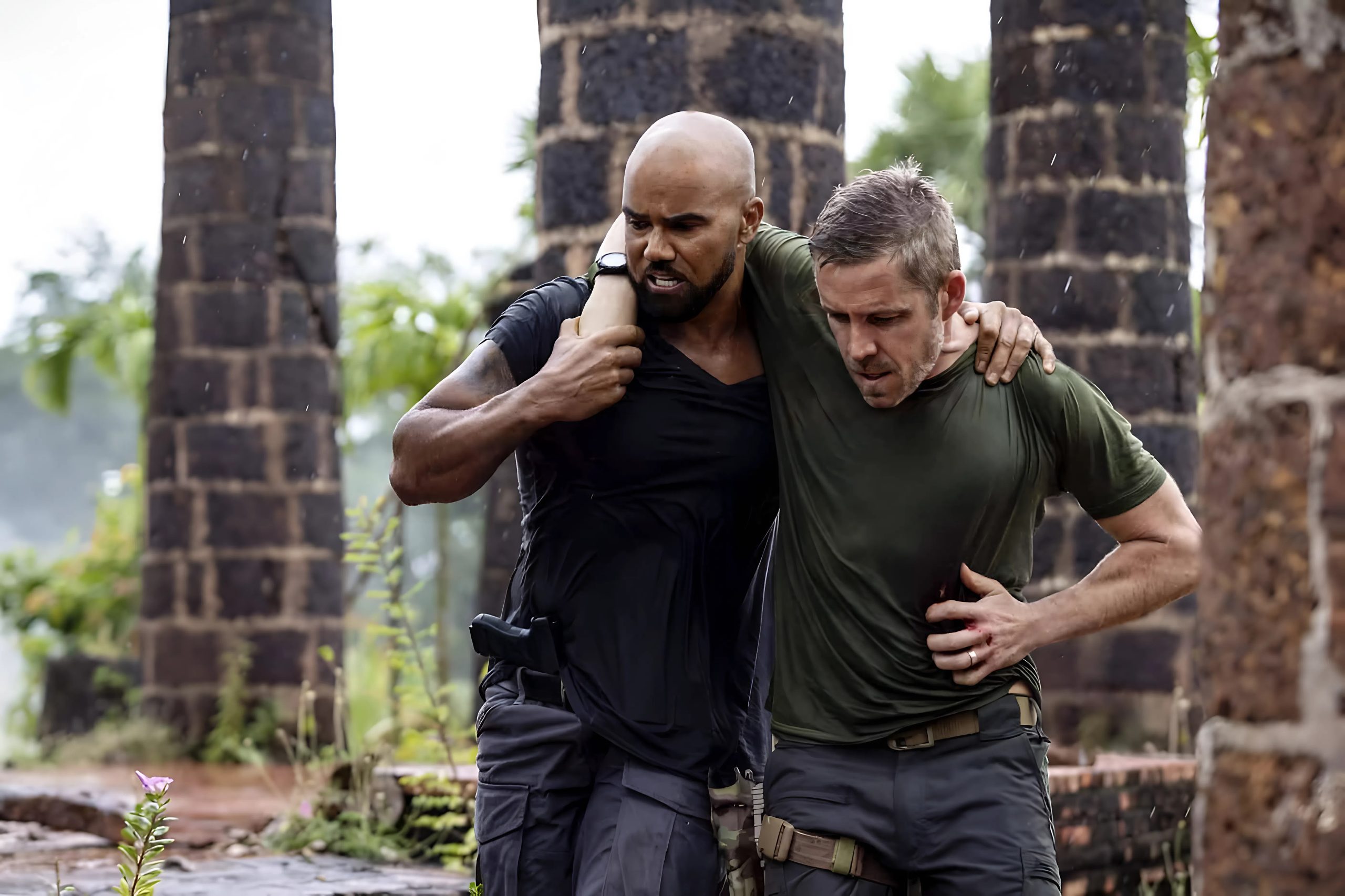
The Hidden Reason S.W.A.T. Was Better Than Most Action Dramas
One of S.W.A.T.‘s greatest achievements wasn’t found in its explosions, shootouts, or high-speed pursuits.
It was something much quieter.

Across eight seasons, the series mastered the art of making every operation feel as though the entire city depended on its outcome—even when the mission itself involved only a handful of people.
It’s a storytelling technique many viewers felt without ever realizing why.
The Stakes Always Felt Personal
Instead of presenting emergencies as isolated incidents, S.W.A.T. frequently showed how a single crisis could ripple through families, neighborhoods, businesses, and first responders.
Even relatively small operations carried emotional weight because the audience understood that real lives—not just the officers—were hanging in the balance.
That perspective transformed ordinary tactical missions into stories that felt much larger than their immediate setting.
Small Moments Created Big Consequences
Another reason the missions felt so significant was the way the series treated consequences.
A successful rescue wasn’t simply another victory.
It often changed someone’s future, reunited loved ones, or prevented a tragedy from becoming even worse.
Those emotional payoffs gave viewers a reason to invest in every operation beyond simply watching the squad succeed.
A Different Kind of Scale

Many action dramas try to become bigger by increasing the number of explosions or introducing larger threats.
S.W.A.T. often achieved the same impact through storytelling.
By reminding audiences that every decision affected ordinary people, the series created tension that felt authentic rather than exaggerated.
Looking back, that may be one of the most underrated reasons why the show remained compelling for so many years.