
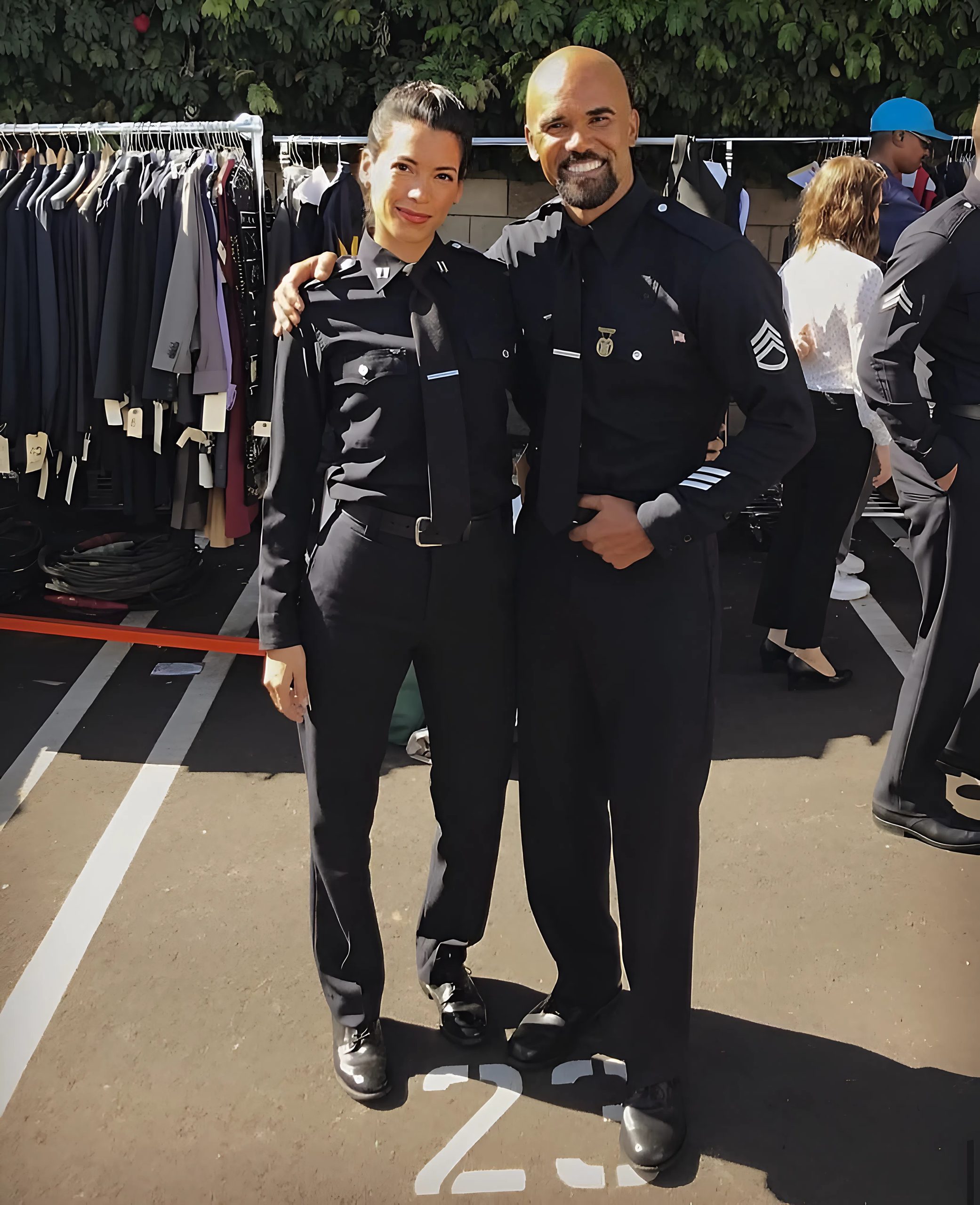
S.W.A.T. Proved That Respect Had to Be Earned—Not Demanded
Respect Was Never Given Automatically
Many action dramas establish respect through rank alone.
A commanding officer enters the room.
Everyone immediately follows orders.
Questions are limited.
Authority is rarely challenged.
It’s a simple formula, but it doesn’t always feel realistic.
S.W.A.T. approached the idea differently.
Throughout its eight-season run, the series suggested that while rank establishes responsibility, it doesn’t automatically create respect. The members of 20-Squad respected one another because they repeatedly demonstrated competence, reliability, and professionalism—not simply because of the titles they held.
That distinction gave the team’s relationships a level of authenticity that many television procedurals struggle to achieve.
The show wasn’t interested in portraying blind obedience.
It was interested in portraying mutual trust.

Professionalism Spoke Louder Than Personalities
One of the most noticeable qualities of the squad was how they judged one another by actions rather than words.
Every operation became another opportunity to prove dependability.
Showing up prepared.
Following through on responsibilities.
Remaining calm under pressure.
Supporting teammates when situations became difficult.
These everyday decisions mattered far more than dramatic speeches about loyalty or commitment.
The series suggested that respect isn’t built during extraordinary moments alone.
It’s built through consistent professionalism over time.
That philosophy made the team’s relationships feel earned instead of manufactured.
Experience Was Shared, Not Guarded
Another refreshing aspect of S.W.A.T. was its portrayal of experience.
Rather than treating knowledge as something to protect or use for personal advantage, experienced officers frequently shared what they had learned with the rest of the team.
Practical advice.
Tactical observations.
Lessons from previous missions.
These exchanges strengthened the entire squad.
The series quietly reinforced the idea that organizations improve when experienced professionals help others succeed instead of competing for recognition.
Respect grew because knowledge was shared, not withheld.
Accountability Strengthened the Team
Respect also depended on accountability.
Throughout the series, decisions carried consequences.
When something didn’t go according to plan, the focus wasn’t on assigning blame for the sake of conflict.
Instead, the team examined what could be improved moving forward.
That approach reflected a mature understanding of teamwork.
Mistakes became opportunities for learning rather than reasons to undermine confidence.
Because accountability applied to everyone, respect remained balanced across the squad.
No one was expected to be perfect.
Everyone was expected to remain responsible.

Reliability Became More Important Than Recognition
Modern television often rewards the character who delivers the biggest heroic moment.
S.W.A.T. frequently celebrated something less dramatic but arguably more important.
Reliability.
The teammate who could always be counted on.
The officer who stayed focused.
The professional who consistently fulfilled their role without seeking attention.
These qualities rarely became the center of promotional campaigns, yet they quietly formed the foundation of the series.
Viewers came to appreciate that extraordinary teamwork is usually built by ordinary consistency.
The show understood that dependable people often become the most respected members of any organization.
Respect Extended Beyond the Team
Although much of the series focused on 20-Squad itself, the idea of respect extended to nearly every interaction.
Communication with other emergency personnel.
Coordination during complex incidents.
Interactions with civilians facing stressful situations.
The series repeatedly demonstrated that professionalism involved treating others with dignity, even during moments of extreme pressure.
That broader perspective reinforced the idea that respect isn’t selective.
It influences every aspect of effective teamwork.
A Lesson That Applies Far Beyond Tactical Operations
The relationships portrayed in S.W.A.T. resonate because they reflect principles found in successful organizations everywhere.
People rarely earn lasting respect through titles alone.
They earn it by remaining dependable.
By communicating honestly.
By accepting responsibility.
By supporting those around them.
These aren’t just qualities of effective tactical officers.
They’re qualities of effective colleagues, managers, teachers, coaches, and leaders.
That’s why the show’s message continues to feel relevant beyond its action sequences.
Respect Became the Foundation of Every Mission
Looking back, the most important asset carried into every operation wasn’t equipment or strategy.
It was confidence in one another.
The confidence that every member of the squad would fulfill their responsibilities.
The confidence that decisions would be made thoughtfully.
The confidence that everyone shared the same objective.
That trust couldn’t have existed without respect.
By making respect something that had to be earned through consistent actions rather than demanded through authority, S.W.A.T. offered one of its most meaningful lessons.
Long after viewers remember the action scenes, they’ll remember a team that succeeded because its members believed in one another—and proved every day that belief was justified.
S.W.A.T. demonstrated that respect isn’t created by rank, reputation, or authority alone. Instead, it grows through reliability, accountability, professionalism, and a willingness to support others. Throughout eight seasons, the series showed that the strongest teams aren’t held together by orders—they’re held together by mutual confidence earned over time. That message remains one of the show’s most enduring contributions to modern television.