
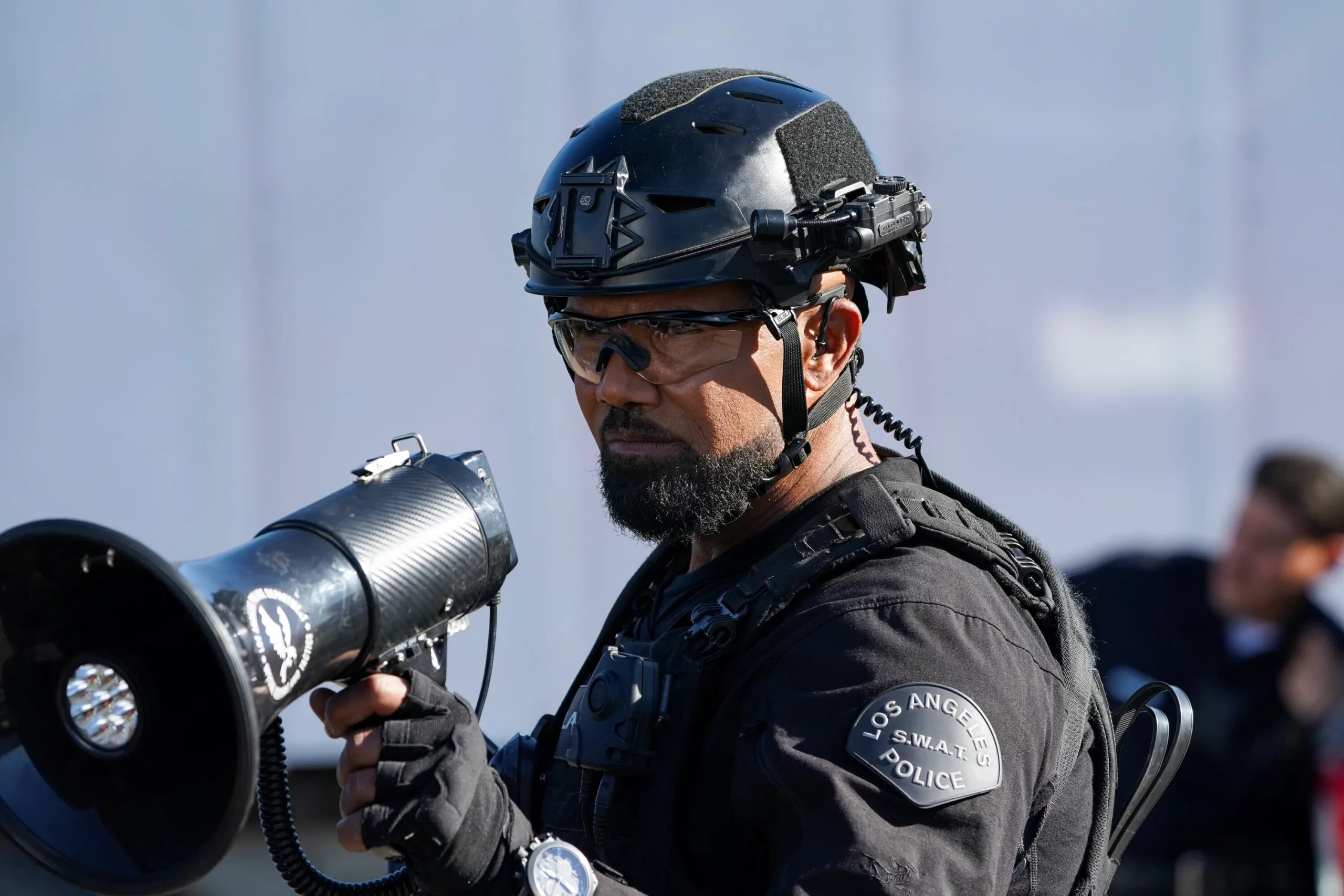
S.W.A.T. Exiles: If Sony Is Looking To Bring Back Original S.W.A.T. Stars, Why Cancel It In The First Place?
S.W.A.T. Exiles: If Sony Is Looking To Bring Back Original S.W.A.T. Stars, Why Cancel It In The First Place?
When Sony Pictures Television announced S.W.A.T. Exiles shortly after the conclusion of S.W.A.T., fans were left with a question that seemed impossible to ignore: if the studio still believes in the franchise and wants to bring back original cast members, why was the original series allowed to end in the first place?
At first glance, the situation appears contradictory. The original S.W.A.T. spent years building a loyal audience, surviving multiple cancellation scares, and developing one of television’s most recognizable ensemble casts. Yet after eight seasons, the series came to an end. Then, almost immediately, a new spinoff centered on Hondo was announced, with reports suggesting that familiar faces from the original show could appear. For many viewers, it felt as though the franchise had been canceled and revived at the same time.
The reality, however, is much more complicated than a simple creative decision.

One of the biggest factors involves the difference between a television studio and a television network. Sony Pictures Television produced S.W.A.T., while CBS aired it. Although viewers often think of a show as belonging entirely to the network that broadcasts it, the business relationship is more complex. Networks purchase programming from studios, and those decisions are heavily influenced by budgets, advertising revenue, ratings, streaming rights, and long-term financial projections.
Even if a show remains popular, it can become increasingly expensive to produce as it ages. Veteran actors negotiate higher salaries, production costs rise, and maintaining a large ensemble cast becomes more difficult. By the time a drama reaches its eighth season, the economics are often very different from those of its first few years.
This appears to have been part of the challenge facing S.W.A.T. The series continued to attract a dedicated audience, but the cost of producing a large-scale action drama with an experienced cast may have made renewal negotiations more difficult. From a network perspective, replacing an older show with a newer and less expensive project can sometimes make financial sense, even when the existing show remains successful.
That does not necessarily mean Sony lost faith in the franchise itself.
In fact, the creation of S.W.A.T. Exiles suggests the opposite. Rather than viewing the end of the original series as the end of the brand, Sony appears to see an opportunity to reinvent it. By focusing on Hondo and a new generation of recruits, the studio can preserve the core identity of the franchise while potentially reducing costs and opening the door to new storylines.
This strategy is not unusual in television. Many successful franchises evolve through spinoffs, reboots, or continuation series. Studios often look for ways to keep recognizable intellectual property alive while adapting to changing market conditions. In the case of Exiles, Sony may believe that the S.W.A.T. name still carries significant value even if the original format has reached its natural conclusion.
Another important consideration is flexibility.
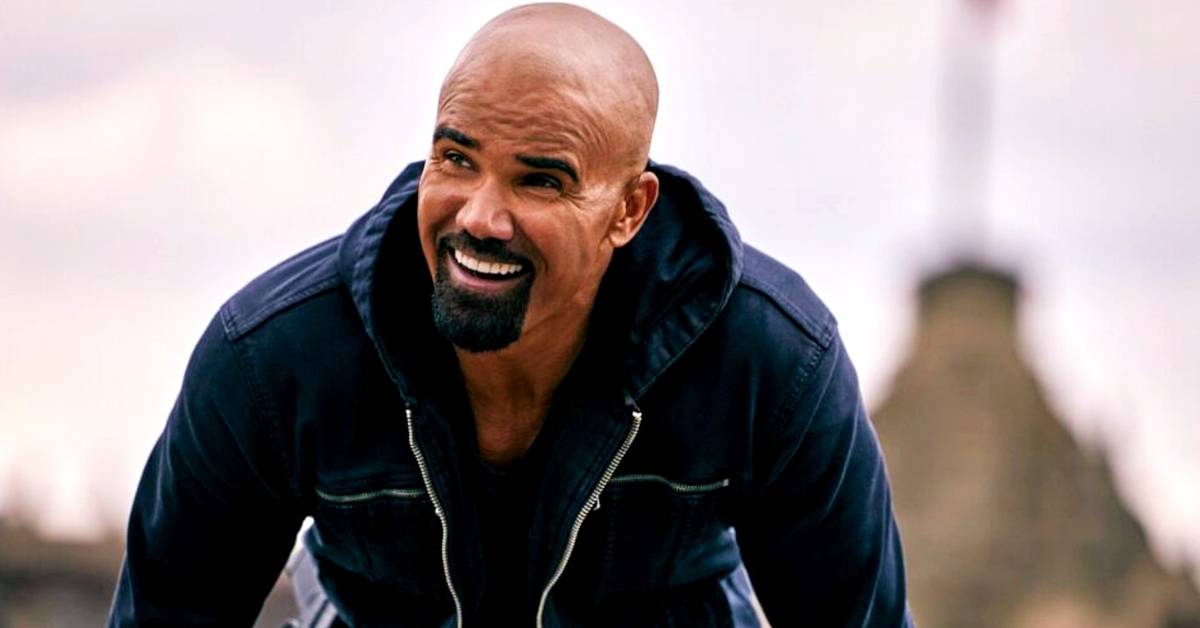
The original S.W.A.T. featured a large ensemble cast, and maintaining every major character as a full-time series regular would be expensive. A spinoff allows the studio to focus primarily on Hondo while bringing back beloved characters when it makes creative and financial sense. Guest appearances, recurring roles, and special reunion episodes can generate excitement without requiring the same long-term commitments as the original series.
This may explain why reports have suggested that characters such as Deacon, Hicks, and Victor Tan could appear in Exiles. Sony can continue honoring the legacy of the original show while still building something new.
There is also the matter of the changing television landscape.
The entertainment industry in 2026 looks very different from what it did even a few years ago. Streaming platforms have become more selective about acquisitions. Traditional networks are under pressure to control costs. Studios increasingly look for projects that can work across multiple distribution models, including international markets and streaming services.
By producing Exiles independently before securing a distribution partner, Sony has taken an unusual but potentially strategic approach. Instead of creating a show specifically for one network, the studio is attempting to find the best home for the completed series. This gives Sony greater flexibility but also means the project faces different business challenges than a traditional network renewal.
For fans, however, the emotional side of the issue is often more important than the business side.
Many viewers developed strong attachments to the original team. They invested years in the relationships between Hondo, Deacon, Tan, Luca, Street, Chris, and the rest of the squad. When the series ended, some felt that those stories were cut short. As a result, the announcement of Exiles generated mixed emotions. Fans were excited to see Hondo return, but many wondered why the entire team could not return as well.
That reaction is understandable. Television is built on emotional connections, and audiences rarely view cancellations through the lens of budgets and licensing agreements. Instead, they focus on the characters they love and the stories they want to continue seeing.
The encouraging news is that Sony appears aware of those feelings. The willingness to bring back original cast members suggests that the studio understands the importance of the broader S.W.A.T. family. Even if Exiles ultimately centers on a new team, the presence of familiar faces can help bridge the gap between the old series and its successor.
Ultimately, the cancellation of S.W.A.T. and the creation of S.W.A.T. Exiles are not necessarily contradictory decisions. The original show may have ended because of economic realities, contractual considerations, and changing industry conditions. At the same time, Sony’s continued investment in the franchise demonstrates confidence in the world, characters, and audience that S.W.A.T. spent years building.
Whether Exiles succeeds remains to be seen. The series still needs a long-term distribution home, and fans will undoubtedly continue hoping for more appearances from the original cast. But one thing is clear: the end of S.W.A.T. was not the end of the franchise. Instead, it appears to be the beginning of a new chapter—one that attempts to balance nostalgia for the past with the demands of television’s rapidly evolving future.