

Los Angeles Was More Than A Setting In S.W.A.T. — It Was The Heart Of Every Mission
Some Shows Simply Take Place in a City. S.W.A.T. Let the City Shape the Story.
Countless television dramas are set in Los Angeles.
Yet in many of them, the city feels interchangeable.
One neighborhood could easily be replaced by another.
The location exists simply because the script requires somewhere to film.
S.W.A.T. approached Los Angeles differently.
Across eight seasons, the series consistently made the city feel like an active part of every mission. Different environments created different tactical challenges, changing how the squad approached each operation.
The result wasn’t just visual variety.
It was storytelling that acknowledged how location influences every decision.
Every Neighborhood Presented Different Challenges
The series rarely treated Los Angeles as a single, uniform setting.
Residential streets created one type of operation.
Busy commercial districts created another.
Industrial areas demanded completely different strategies.
Crowded public spaces increased the importance of protecting civilians.
Instead of repeating the same environments every week, S.W.A.T. constantly reminded viewers that every part of the city required its own approach.
That attention to place helped every mission feel unique.
The Environment Often Became the Biggest Obstacle
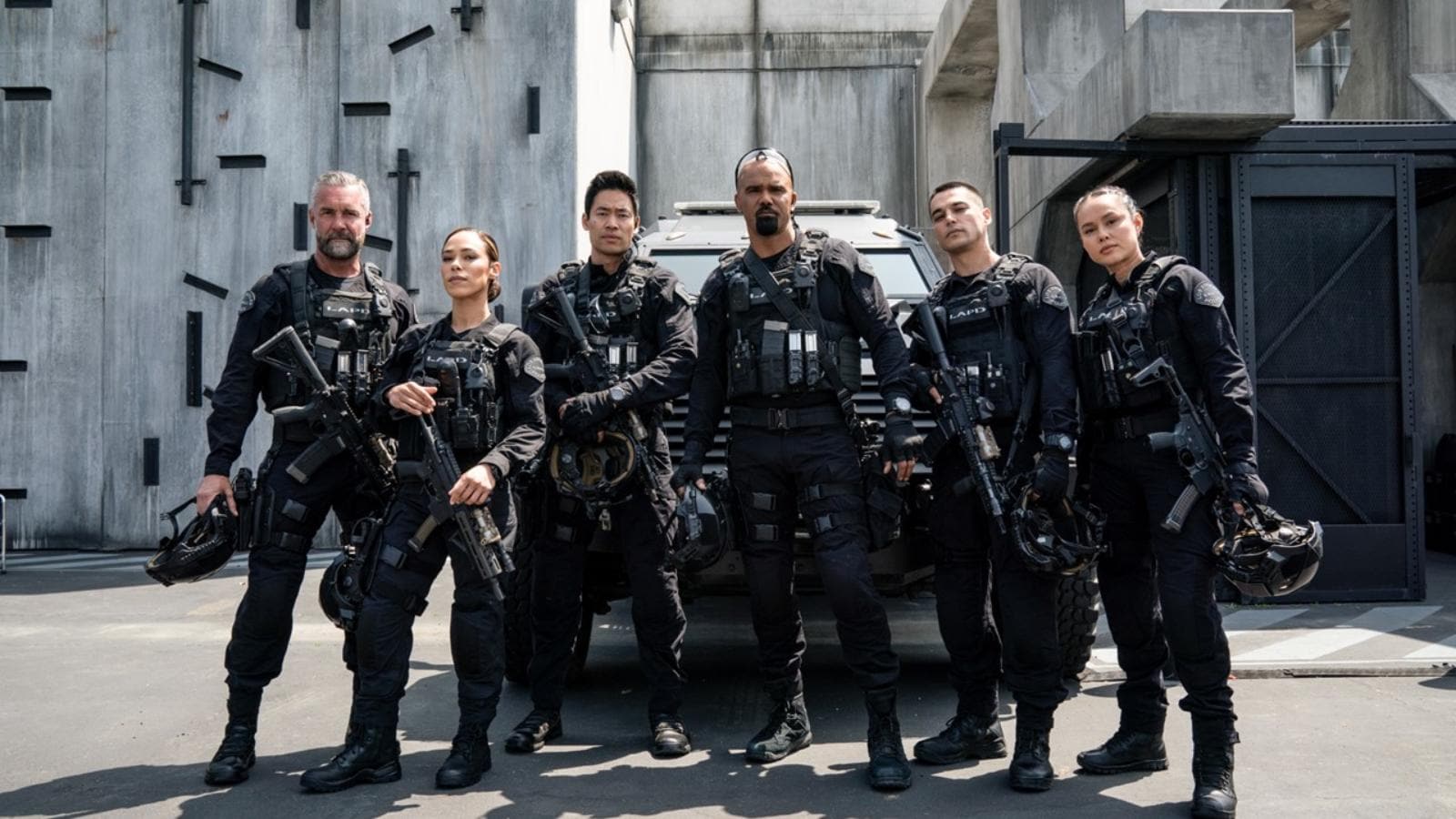
Many action shows focus almost entirely on the people involved.
S.W.A.T. frequently reminded viewers that the surrounding environment could be just as challenging.
Limited visibility.
Crowded streets.
Complex buildings.
Unexpected escape routes.
These weren’t simply visual details.
They shaped tactical decisions from beginning to end.
Rather than serving as background scenery, Los Angeles became part of the conflict itself.
The City Helped Keep Eight Seasons Fresh
Long-running procedurals often struggle with repetition.
S.W.A.T. avoided much of that fatigue because its setting constantly offered new possibilities.
Even when the squad faced similar types of emergencies, changing locations naturally altered the pacing, risks, and solutions.
That variety prevented episodes from blending together.
The city itself became one of the show’s most valuable storytelling tools.
S.W.A.T. didn’t simply film in Los Angeles—it built stories around it. By allowing different neighborhoods, buildings, and public spaces to influence every mission, the series transformed its setting into something far more meaningful than a backdrop. Years later, that’s one of the reasons its action still feels dynamic and believable.