
Canceled Twice, Saved Twice—Why Can’t Hollywood Kill S.W.A.T.?
Canceled Twice, Saved Twice—Why Can’t Hollywood Kill S.W.A.T.?
Few modern network dramas have had a survival story quite like S.W.A.T.. The series, led by Daniel “Hondo” Harrelson, has faced cancellation more than once—only to be rescued by last-minute deals and fan-driven momentum. That unusual pattern has turned the show into something rare in today’s TV landscape: a series that refuses to die, no matter how many times it’s written off.
So why does S.W.A.T. keep coming back?
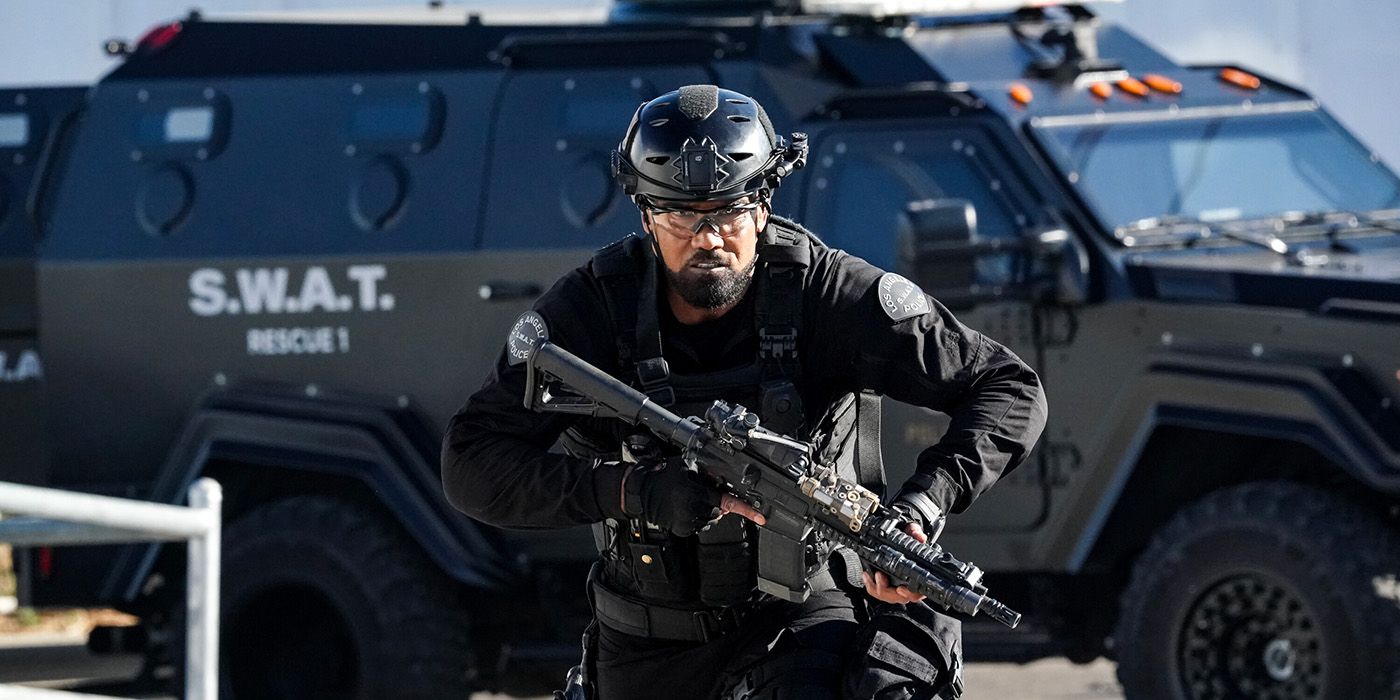
A Show That Keeps Finding a Way Back
Television cancellations are usually final. Once a network pulls the plug, most shows don’t return. But S.W.A.T. has broken that rule multiple times, surviving despite shifting schedules, ratings pressures, and corporate decisions at CBS.
Each time cancellation rumors surface, negotiations, fan response, and production value seem to converge into one outcome: another renewal.
That alone sets the series apart from most network dramas.
Strong Fan Support That Refuses to Fade
One of the biggest reasons S.W.A.T. keeps returning is its loyal audience base. Even when ratings fluctuate, the show maintains a consistent and vocal fan community.
Viewers connect strongly with characters like Daniel Harrelson, whose leadership and moral complexity give the series emotional grounding beyond its action sequences.
Fans don’t just watch the show—they actively campaign for its continuation whenever cancellation rumors appear.
A Reliable Formula That Networks Still Value
Despite industry changes, procedural dramas remain valuable to networks. S.W.A.T. delivers a consistent formula:
- self-contained weekly missions
- high-action storytelling
- strong ensemble cast dynamics
- real-world inspired cases
- emotional subplots woven into action
This structure makes it easy to schedule, rerun, and distribute internationally, which adds long-term value beyond live ratings.
The Streaming and Licensing Factor
Modern TV survival is no longer just about broadcast ratings. Streaming performance, licensing deals, and international distribution now play a major role in whether a show continues.
S.W.A.T. performs well in syndication and global markets, making it financially attractive even when domestic ratings are not dominant.
That behind-the-scenes value is often what keeps the show alive.
Production Efficiency Matters
Another reason for the show’s survival is its relatively efficient production model. Compared to high-budget serialized dramas, S.W.A.T. balances action with a structure that remains cost-effective for a network series.
That makes it easier for studios to justify renewal decisions when negotiations arise.
Fan Reaction Creates Pressure
Every time cancellation news breaks, fan reaction tends to escalate quickly. Social media campaigns, online discussions, and entertainment coverage amplify the situation, creating visibility that networks cannot easily ignore.
In modern television, audience engagement is not just about ratings—it’s also about cultural presence.
S.W.A.T. consistently generates enough attention to stay in that conversation.
The Power of the Cast and Identity
The series also benefits from a stable core identity. The character of Daniel Harrelson anchors the story, giving it emotional continuity even as storylines evolve.
That consistency helps viewers stay invested across seasons, even when external uncertainty surrounds the show’s future.
Why Cancellation Doesn’t Stick
When a show gets canceled twice and still returns, it usually means one thing: the underlying value outweighs the risk of ending it.
For S.W.A.T., that value comes from a combination of:
- loyal audience retention
- international popularity
- streaming demand
- strong brand recognition
- flexible storytelling format
Together, these factors make the series difficult to fully retire.
Final Thoughts
Hollywood may try to end S.W.A.T., but the show continues to find ways back onto screens. Whether through fan demand, business negotiations, or platform shifts, it has built a reputation as a series that refuses to stay canceled.
As long as audiences keep watching and networks keep finding value in its format, S.W.A.T. will likely continue doing what it has already done twice before—coming back when everyone thinks it’s over.