
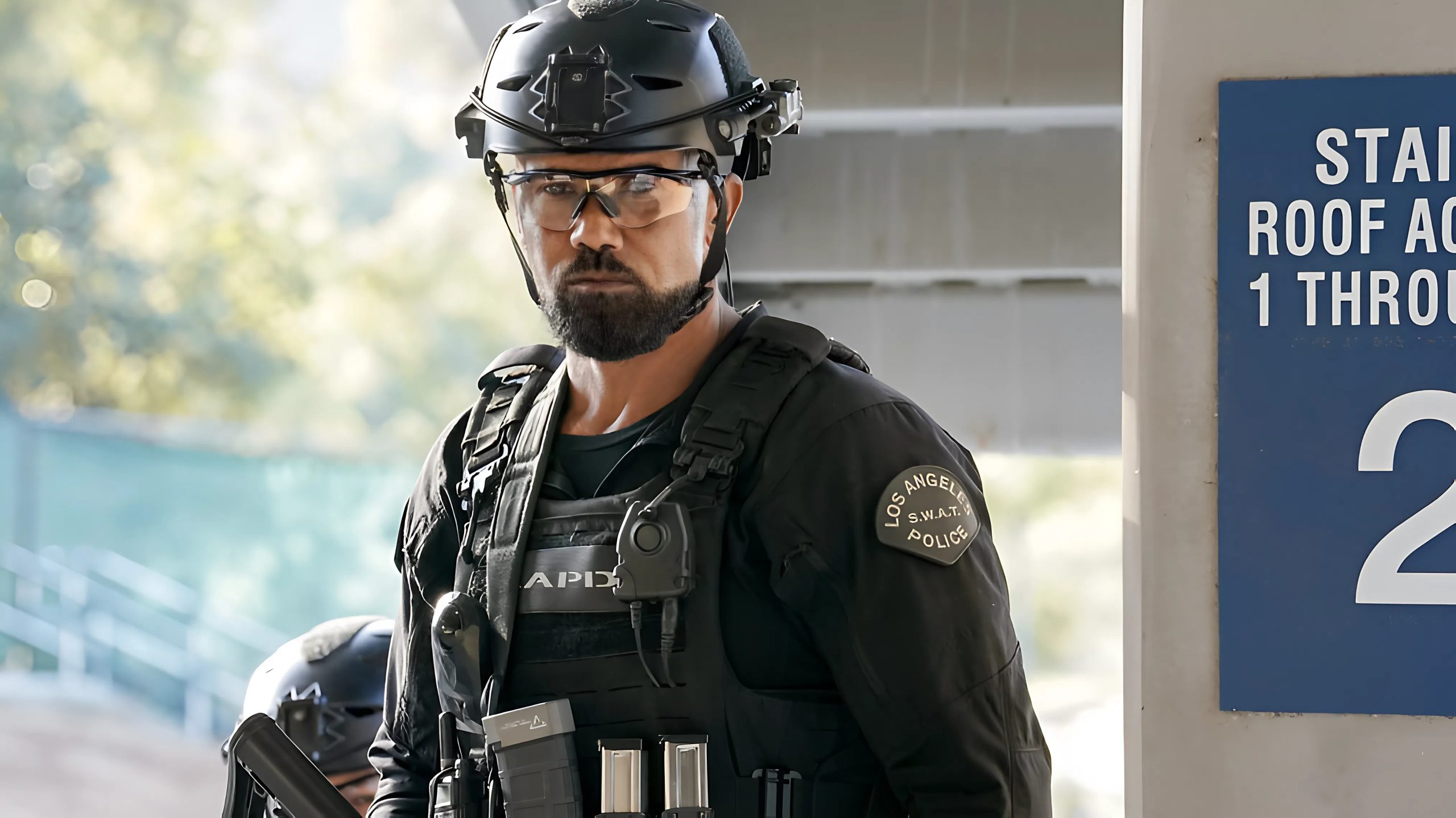
After Eight Seasons, S.W.A.T. Leaves Behind a Blueprint Many Action Dramas Still Struggle to Match
Long-running television shows often become examples of what not to do.
Some lose focus after only a few seasons. Others abandon the tone that made them successful, while many introduce increasingly dramatic storylines that divide longtime fans. Maintaining quality over dozens—let alone hundreds—of episodes has always been one of television’s most difficult challenges.
S.W.A.T. faced that same reality throughout its run.

While no series can satisfy every viewer, the CBS action drama managed to establish a formula that remained recognizable from its first season to its last. More importantly, it showed that longevity doesn’t have to come at the expense of identity.
That’s one reason the series continues to stand out even after its original run.
The Show Understood Exactly What It Wanted to Be
One of the biggest mistakes long-running dramas make is trying to become something completely different halfway through their lifespan.
Some suddenly shift toward darker storytelling.
Others become more comedic.
Still others rely on increasingly complicated mythology that alienates casual viewers.
S.W.A.T. largely resisted those temptations.
The series knew its foundation was built on tactical action, disciplined teamwork, and emotionally grounded storytelling. Rather than abandoning those elements, each new season refined them.
That consistency gave audiences confidence that the show would remain true to itself.

Its Structure Was Surprisingly Flexible
Although every episode centered around a new mission, the format proved far more adaptable than it initially appeared.
Some stories unfolded at a relentless pace from beginning to end.
Others slowed down to focus on difficult decisions before the action truly began.
Occasionally, the most memorable moments happened after the mission was over, when the team reflected on everything that had taken place.
That flexibility prevented the series from becoming trapped inside a rigid formula.
Instead, the familiar structure became a framework that allowed different kinds of stories to emerge.
The Show Never Confused Scale With Quality
Television often assumes that every new season must be “bigger” than the last.
Larger explosions.
Higher stakes.
More elaborate villains.
S.W.A.T. demonstrated that bigger isn’t always better.
Many of its strongest episodes succeeded because they concentrated on execution rather than excess.
Well-paced action.
Clear objectives.
Strong communication among the squad.
Those ingredients created excitement without overwhelming the story itself.
As a result, the series rarely felt as though it was trying to outdo itself simply for the sake of spectacle.

Viewers Knew What They Could Expect—And That Was a Strength
In today’s entertainment landscape, unpredictability is often treated as the highest compliment.
Yet audiences also value reliability.
Week after week, S.W.A.T. delivered energetic action, believable teamwork, and stories that respected both longtime followers and newcomers.
That dependability became one of the show’s greatest competitive advantages.
Rather than constantly chasing viral moments, it focused on providing a consistently enjoyable viewing experience.
For many fans, that reliability became the very reason they kept returning.
Its Influence May Become Clearer Over Time
As new action dramas continue arriving on both broadcast television and streaming platforms, S.W.A.T.‘s approach may become even more appreciated.
The series proved that audiences don’t always need revolutionary storytelling to stay invested.
Sometimes, a well-executed formula—supported by a committed cast, disciplined writing, and a clear creative vision—is more than enough.
Eight seasons later, S.W.A.T. leaves behind more than an impressive episode count.
It leaves behind a reminder that consistency, clarity, and confidence in a show’s own identity can still be the foundation of lasting television success.
Whether future action dramas choose to follow that blueprint remains to be seen, but S.W.A.T. has already shown that the formula works when it’s executed with patience and purpose.