
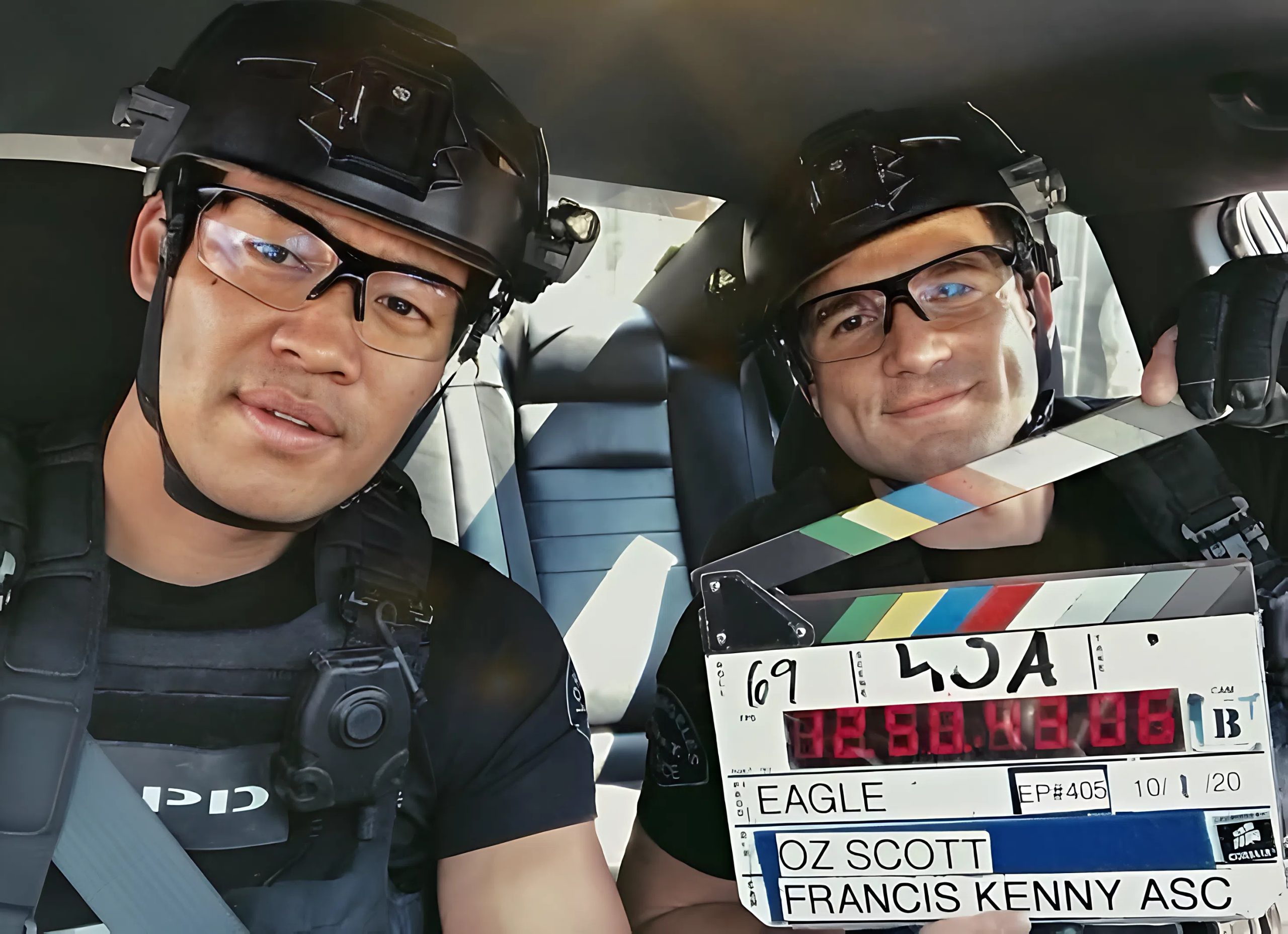
How S.W.A.T. Defied Modern TV Trends To Build An Eight Season Legacy
In today’s television landscape, cliffhangers have become almost unavoidable.
Season finales often end with shocking betrayals, unexpected deaths, or unanswered questions designed to keep audiences talking for months. Even individual episodes frequently conclude with dramatic twists that leave viewers desperate for the next installment.

S.W.A.T. certainly had its share of suspenseful endings, but the series never depended entirely on cliffhangers to maintain its audience.
Instead, it relied on something much more difficult to achieve—earning viewers’ loyalty through consistency, engaging storytelling, and characters worth returning for every week.
That creative philosophy became one of the show’s quietest but most significant strengths.
Viewers Returned Because They Cared About the Team
For many long-running dramas, the biggest challenge isn’t creating a shocking finale—it’s convincing audiences to keep watching after the surprise has passed.
S.W.A.T. approached that challenge differently.
Rather than asking, “How can we shock viewers into tuning in next week?” the series often focused on building lasting connections between the audience and 20-Squad.
By investing time in the team’s professional and personal journeys, the writers created a show where viewers returned because they genuinely wanted to spend more time with the characters.
That kind of loyalty can’t be manufactured through a single twist ending.
It has to be earned over years of storytelling.
Every Episode Delivered Its Own Payoff
Another reason the series remained satisfying was its ability to provide meaningful conclusions within each episode.
While larger storylines occasionally stretched across multiple installments, individual missions usually reached a natural resolution before the credits rolled.
Viewers didn’t feel as though they had watched half a story.
Instead, each episode delivered a complete experience while still leaving room for the characters to continue growing in future installments.
That balance made the series especially appealing to audiences who preferred traditional weekly television without sacrificing long-term narrative development.

Suspense Came From the Mission, Not Artificial Twists
Rather than forcing dramatic revelations into every episode, S.W.A.T. generated suspense through the unpredictable nature of tactical operations.
Would negotiations succeed?
Could civilians be evacuated safely?
Would the team’s strategy work under rapidly changing conditions?
These questions naturally created tension without requiring unexpected betrayals or last-minute plot reversals.
The excitement came from watching experienced professionals solve increasingly complex situations—not from constantly trying to surprise the audience.
The Show Respected Weekly Television
In an era increasingly dominated by binge-worthy streaming series, S.W.A.T. continued embracing the strengths of traditional network television.
Episodes felt rewarding whether viewers watched one per week or several in a row.
Missing a single installment didn’t make the series impossible to follow, yet longtime fans still benefited from understanding the characters’ ongoing journeys.
That accessibility helped the show appeal to a remarkably broad audience throughout its run.
New viewers could join at almost any point, while dedicated fans remained invested season after season.
A Different Kind of Staying Power
Looking back, S.W.A.T. demonstrated that a successful television drama doesn’t always need shocking cliffhangers to build anticipation.
Sometimes audiences return simply because they trust the series to deliver another well-crafted story.
That trust became one of the show’s greatest achievements.
Instead of relying on constant surprises, S.W.A.T. built its reputation on reliability, strong ensemble storytelling, and consistently engaging action.
Years after many of its episodes first aired, those qualities continue to make the series an enjoyable watch—proving that earning loyalty can be far more powerful than chasing the next big twist.