
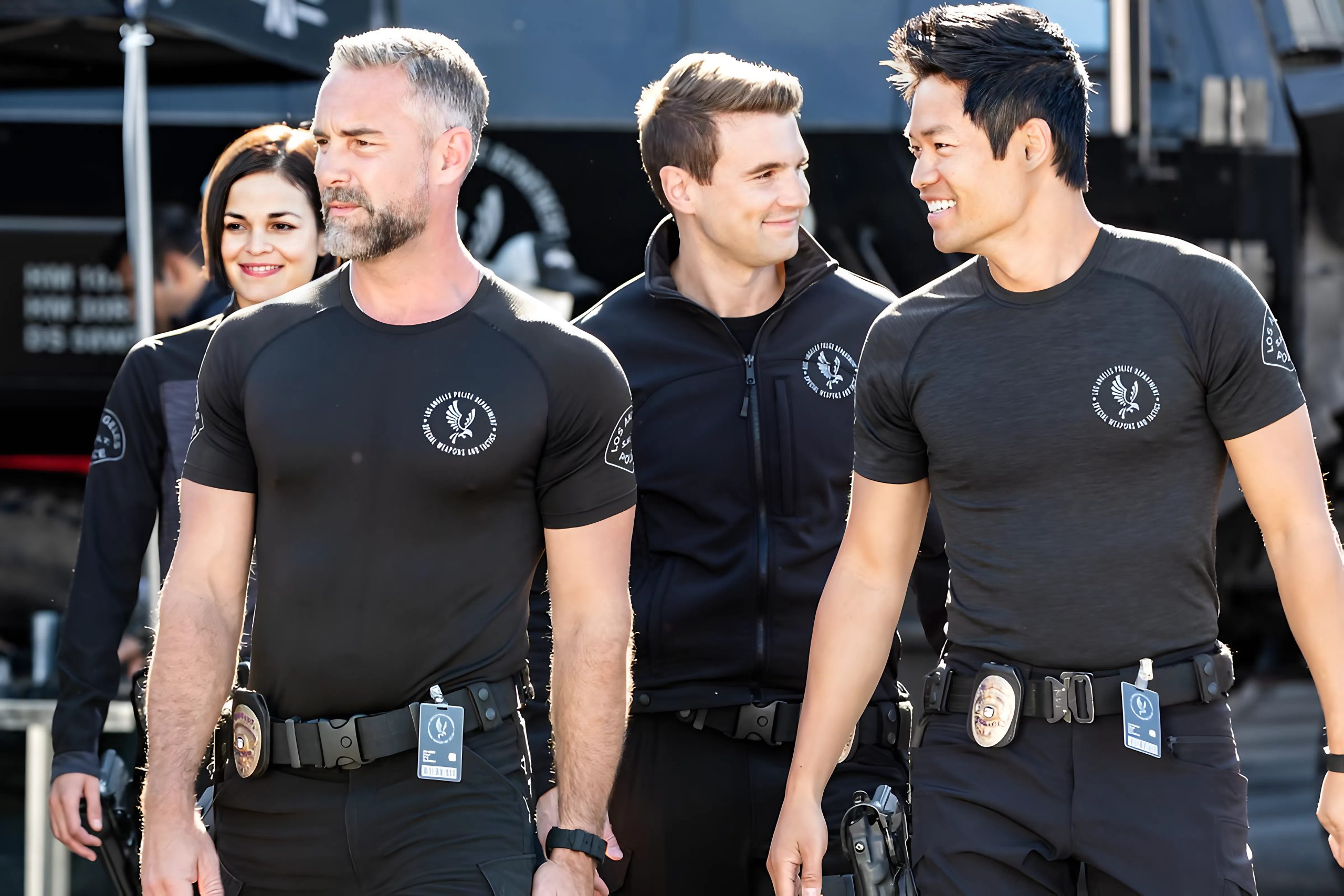
The Storytelling Secret Behind S.W.A.T.’s Emotional Impact
Most viewers discovered S.W.A.T. because of its high-risk missions and fast-moving tactical operations.
Many stayed for a completely different reason.
As the seasons progressed, the series became increasingly confident about slowing down after the action ended, allowing audiences to experience the emotional aftermath instead of immediately moving on to the next mission.
That creative choice quietly changed the way many fans viewed the show.
What Happened After the Mission Mattered
For 20-Squad, completing an operation rarely meant everything returned to normal.
Characters often reflected on what had happened, discussed difficult decisions, or simply tried to process another demanding day on the job.

Those quieter scenes added emotional realism without interrupting the pace of the series.
Instead, they gave viewers time to understand how every mission affected the people carrying it out.
Small Conversations, Lasting Impact
Some of the most memorable exchanges in S.W.A.T. didn’t happen during emergencies.
They happened afterward.
Brief conversations between teammates, moments of reflection, or quiet exchanges with loved ones often revealed more about the characters than the action sequences themselves.
Those scenes helped audiences build lasting connections with the squad.
Why Fans Remember More Than the Action

Years later, many viewers struggle to remember every criminal or every operation.
They do remember how certain episodes made them feel.
That’s because S.W.A.T. understood an important truth.
Action creates excitement.
Emotion creates lasting memories.