
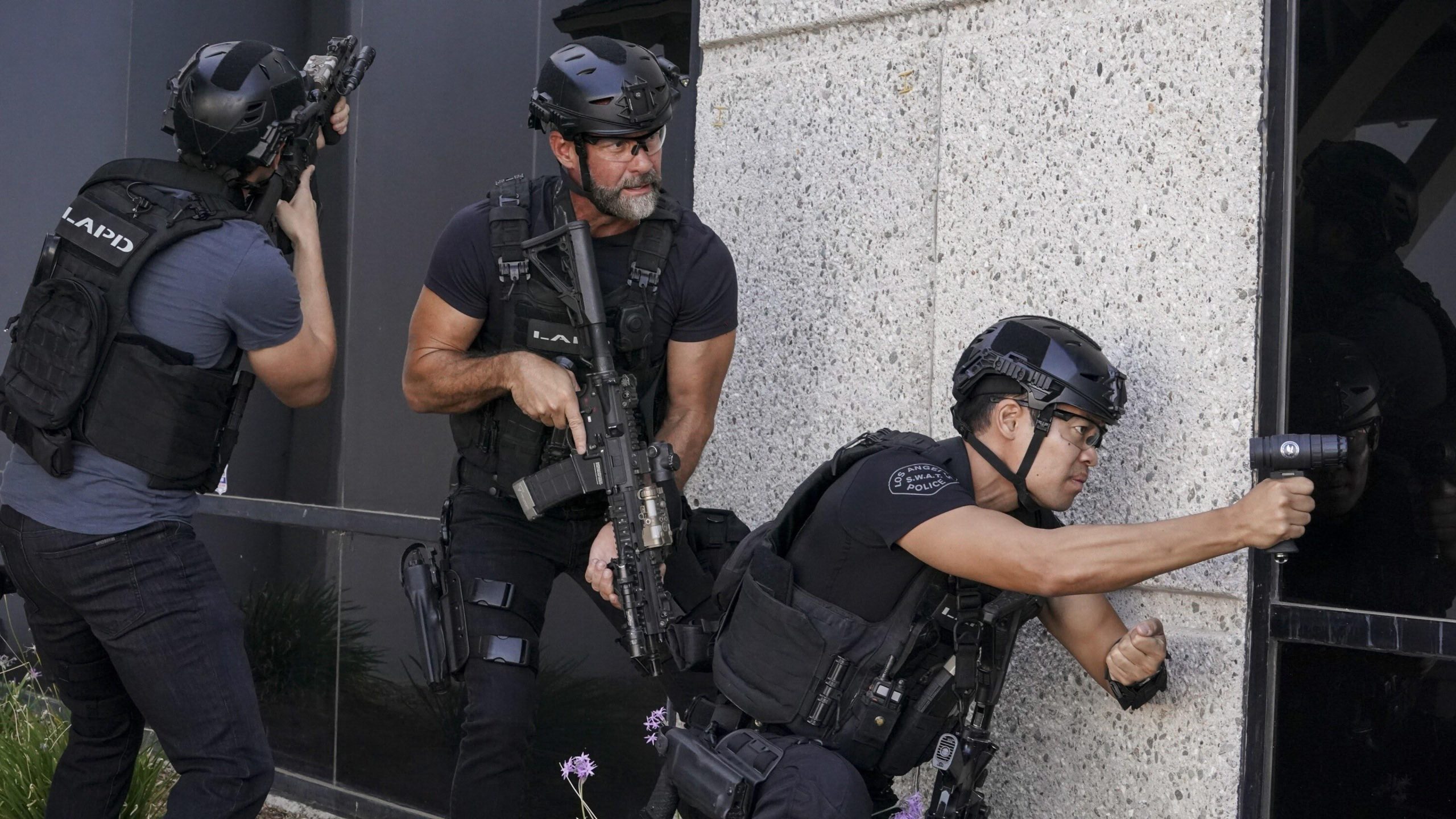
How S.W.A.T. Turned Action Into Meaningful Storytelling
When S.W.A.T. premiered in 2017, it entered one of television’s most competitive genres. Police procedurals were everywhere, and audiences had already spent years following detectives, FBI agents, and first responders across multiple hit franchises.
Many expected S.W.A.T. to follow the same familiar formula.
Instead, the series quietly made a creative decision that helped separate it from much of the competition.
It Refused to Be Just Another Crime-of-the-Week Show

While every episode featured a tactical mission, the series rarely treated those operations as simple action set pieces. Behind nearly every case was a broader question about leadership, public trust, accountability, or the pressures facing officers in high-risk situations.
Rather than making every hour feel like an isolated adventure, S.W.A.T. connected its missions to larger themes affecting both the squad and the communities they served.
That gave the series a stronger identity than many viewers initially expected.
The Show Was Willing to Slow Down
Unlike productions that relied almost entirely on action, S.W.A.T. regularly paused to let conversations carry the emotional weight.
Important decisions often happened inside briefing rooms, family homes, or quiet moments between squad members—not just during tactical operations.
Those scenes allowed viewers to understand the emotional consequences behind the missions instead of focusing only on the outcome.
A Formula That Helped the Series Last
Television audiences eventually recognized that balance.
The action attracted attention.
The characters kept people watching.
Looking back, one of S.W.A.T.‘s smartest creative risks was refusing to choose between the two.

Instead of becoming another procedural built around explosions, it developed into a character-driven action drama with a distinct identity—one that continued attracting loyal viewers throughout its run.