
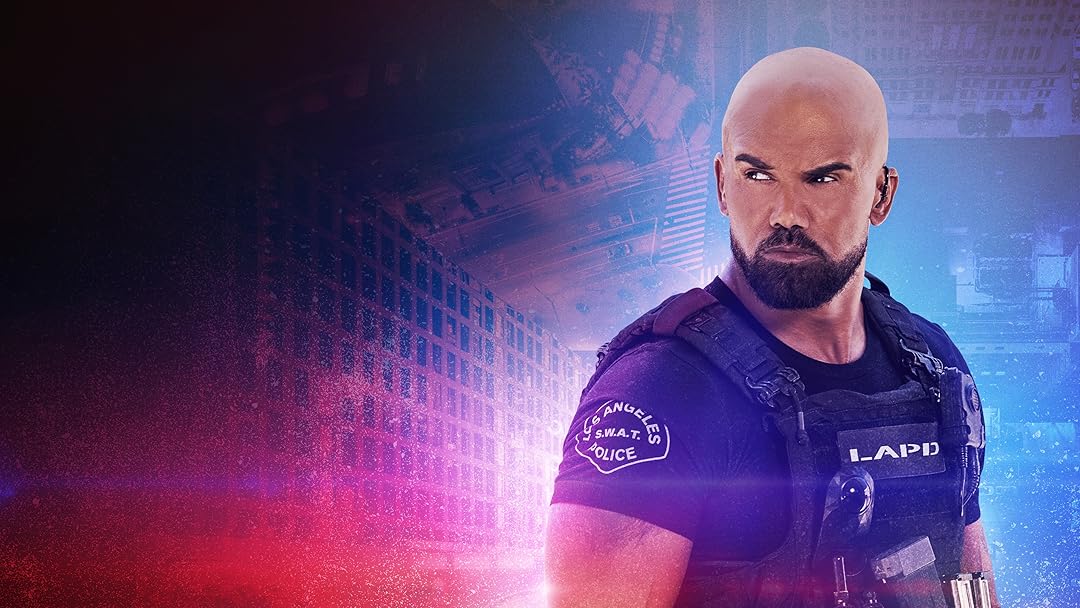
Sergeant Daniel Harrelson, better known as Hondo, is undoubtedly the most dedicated and hardworking law enforcement officer in Los Angeles. Whenever someone needs help, he’s always ready to give it his all.
Daniel “Hondo” Harrelson: Leadership, Duty, and the Weight of Responsibility in S.W.A.T.
Daniel “Hondo” Harrelson stands at the center of S.W.A.T. as more than just a tactical leader—he represents the complex balance between duty, morality, and humanity in modern law enforcement. As a Sergeant in the Los Angeles S.W.A.T. unit, Hondo is often portrayed as the calm force in the middle of chaos, someone who is expected to make split-second decisions that can determine life or death outcomes for both civilians and officers. However, what makes his character compelling is not only his skill in the field, but the emotional and ethical weight that comes with every mission he leads.

From the outside, Hondo appears to be the ideal law enforcement officer. He is disciplined, highly trained, and deeply committed to protecting the public. His tactical decisions are often precise and well-calculated, reflecting years of experience in high-risk operations. In moments of crisis, he remains steady when others might panic, providing structure and leadership that his team depends on. This ability to stay composed under pressure is one of the reasons he is trusted in some of the most dangerous situations the department faces.
Yet Hondo’s strength is not defined solely by physical courage or tactical expertise. A defining part of his character is his empathy. Unlike a purely procedural officer who focuses only on strategy and outcome, Hondo consistently considers the human element in every situation. Whether dealing with hostages, suspects, or civilians caught in the crossfire, he often seeks solutions that prioritize preservation of life over aggressive force. This mindset frequently places him in difficult positions, especially when time is limited and stakes are high.
Throughout the series, Hondo’s leadership style reflects a constant negotiation between authority and understanding. As a sergeant, he is responsible for ensuring that his team operates efficiently and safely. However, he also recognizes that the individuals under his command are not just officers—they are people with emotions, fears, and personal struggles. This awareness shapes how he communicates, often taking the time to guide, correct, or support his team members rather than simply issuing orders.
One of the most significant aspects of Hondo’s character is his internal conflict between institutional duty and personal morality. Law enforcement operates within strict protocols, yet real-life situations rarely fit neatly within those boundaries. Hondo often finds himself questioning whether following procedure always leads to the right outcome. In many episodes, he is forced to choose between what the system expects and what he believes is ethically correct. These decisions are rarely easy and often come with consequences that extend beyond the immediate situation.
This tension is particularly evident in hostage scenarios, gang interventions, and high-risk negotiations. In such moments, Hondo is not just a tactical leader but also a mediator between opposing forces. He tries to de-escalate situations through communication whenever possible, believing that understanding the root cause of conflict can prevent unnecessary violence. However, he also understands that hesitation can sometimes increase danger, placing him in a constant state of calculated urgency.
Hondo’s background also plays a significant role in shaping his worldview. His experiences growing up in Los Angeles give him a unique perspective on the communities he serves. He understands the social and economic pressures that contribute to crime, which allows him to approach certain situations with greater empathy than some of his peers. This perspective often influences his decision-making, particularly when dealing with individuals who feel trapped by circumstance rather than driven purely by malicious intent.
Despite his strengths, Hondo is not without vulnerability. The emotional burden of his job is significant. Every operation carries the possibility of loss—whether it is the life of a civilian, a suspect, or one of his own team members. Over time, these experiences accumulate, creating psychological pressure that even the most resilient leaders struggle to ignore. Hondo’s ability to carry this burden while continuing to perform his duties is a testament to his resilience, but it also highlights the cost of his role.
Another important element of his character is his relationship with his team. Trust is essential in S.W.A.T. operations, where coordination and timing can determine success or failure. Hondo builds that trust not through authority alone, but through example. He often places himself in high-risk positions alongside his team, demonstrating that leadership is not about distance, but shared responsibility. This approach strengthens loyalty and cohesion within the unit, even in the most intense circumstances.

However, leadership also isolates him. As a sergeant, Hondo must sometimes make decisions that others may not fully understand or agree with. These moments can create emotional distance between him and his team, as the burden of accountability ultimately rests on his shoulders. This duality—being both part of the team and responsible for it—adds depth to his role and reinforces the complexity of his position.
The series also uses Hondo’s character to explore broader themes within law enforcement, including justice, accountability, and community trust. He is often placed in situations where public perception and operational necessity collide. In these moments, he must consider not only the immediate tactical outcome but also the long-term impact on community relationships. This broader perspective distinguishes him from more traditional action-oriented characters and adds realism to his leadership role.
Ultimately, Daniel “Hondo” Harrelson represents a modern vision of leadership under pressure. He is not defined solely by physical bravery or tactical success, but by his ability to balance strength with empathy, authority with understanding, and duty with conscience. His character reflects the complexity of real-world policing, where decisions are rarely black and white, and where every choice carries consequences beyond the moment.
What makes Hondo compelling is not that he is perfect, but that he constantly strives to do what is right in situations where there are no easy answers. His dedication to his team, his commitment to justice, and his willingness to carry emotional and moral responsibility make him one of the most grounded and human figures in S.W.A.T..
In a world defined by chaos, Hondo remains a stabilizing force—not because he has all the answers, but because he continues to ask the right questions, even when the cost of those questions is deeply personal. And that is what truly defines him as a leader.