

TV’s S.W.A.T. Team Vows to ‘Do Better’ Exploring Race and Policing in Wake of George Floyd Death/Protests
“TV’s S.W.A.T. Team Vows To ‘Do Better’ Exploring Race And Policing In Wake Of George Floyd Death/Protests”
In a pivotal moment for one of television’s most action-packed procedurals, the cast and production team of S.W.A.T. have publicly committed to reexamining the portrayal of race, policing, and community relations in light of the widespread protests following George Floyd’s tragic death. The pledge underscores the franchise’s recognition of its cultural impact and its responsibility to depict law enforcement with nuance, authenticity, and social awareness.
For fans and critics alike, this initiative signals a shift toward storytelling that engages with contemporary social issues while maintaining the thrilling action and character-driven narratives that have made S.W.A.T. a staple of primetime television.

A Commitment To Socially Responsible Storytelling
Led by Shemar Moore, the team has emphasized that future episodes will address systemic issues and community dynamics with greater sensitivity. Moore and fellow cast members have acknowledged that prior storylines occasionally simplified the complexities of policing, and they have pledged to bring greater depth to upcoming narratives.
The initiative includes consulting with experts, community leaders, and activists to ensure that episodes accurately reflect real-world challenges. By grounding storylines in contemporary social realities, the series hopes to foster dialogue while preserving the excitement, suspense, and emotional resonance that fans expect.
Integrating Real-World Context Into Storylines
The show’s new approach will incorporate scenarios that mirror real-life policing challenges, from community engagement to accountability and implicit bias. Writers are exploring ways to weave these themes into the high-stakes operations that define S.W.A.T., ensuring that the squad’s tactical decisions are informed by the ethical and social implications of their actions.
These storylines aim to provoke thoughtful discussion without sacrificing the tension, strategy, and adrenaline-fueled action sequences that have become the series’ signature. Viewers can expect episodes where Hondo and the team must navigate moral dilemmas that extend beyond the immediate mission, reflecting broader societal considerations.
Character Development And Moral Dilemmas
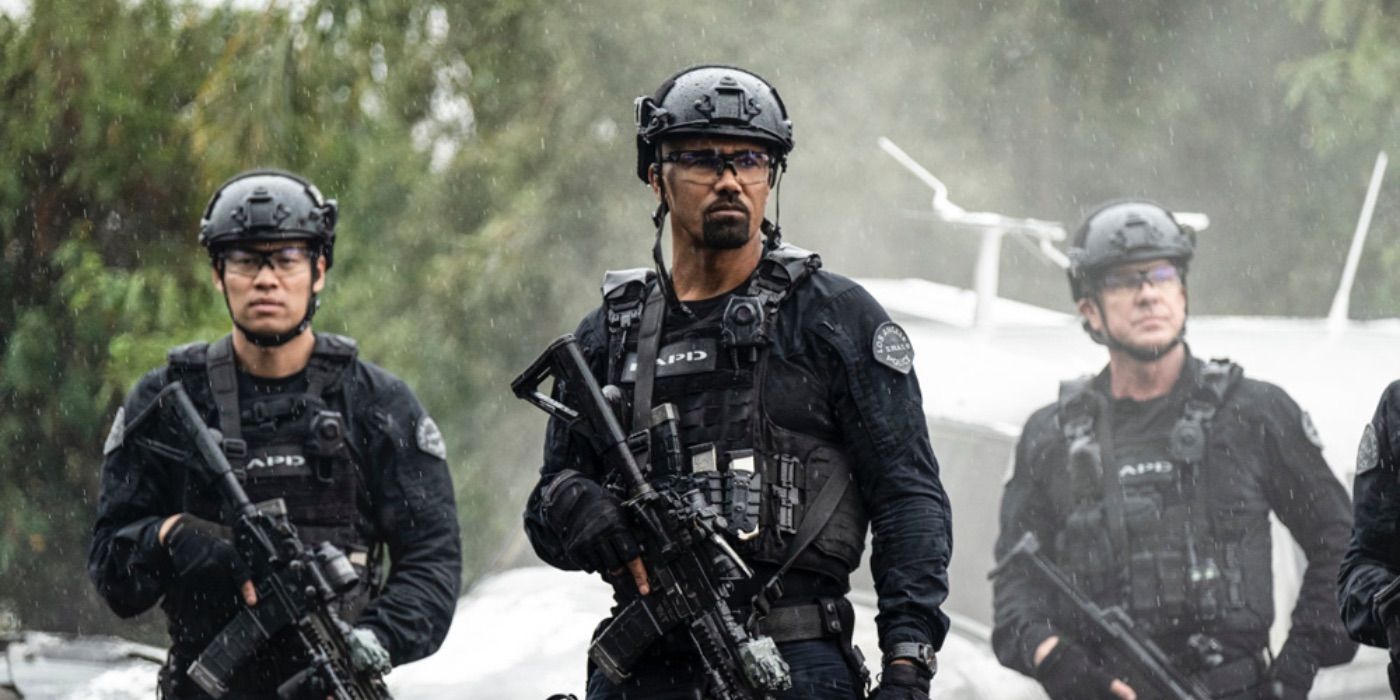
Central to this renewed focus is Hondo’s character, whose leadership and moral compass serve as a lens through which ethical and social issues are explored. Episodes will highlight his challenges in balancing operational effectiveness with fairness, empathy, and community trust.
Other members of the squad are also expected to face personal and professional dilemmas that reflect contemporary social concerns. These arcs provide viewers with a window into the emotional toll of policing and underscore the importance of integrity, judgment, and collaboration.
Audience Reactions And Engagement
Fans have responded enthusiastically to the announcement, expressing appreciation for the show’s willingness to engage with sensitive topics while maintaining its entertainment value. Social media platforms have been filled with discussions about potential storylines, predictions about character responses, and reflections on how television can influence public perception of law enforcement.
Critics have highlighted that by integrating these socially conscious narratives, S.W.A.T. is setting an example for other procedural dramas, demonstrating that action-packed series can also meaningfully address contemporary social issues.
The Impact On Storytelling
The new direction promises to deepen narrative complexity, offering opportunities for multi-episode arcs that explore systemic issues, interpersonal conflict, and the personal impact of policing decisions. By blending action with social commentary, S.W.A.T. can continue to thrill audiences while providing context and insight into real-world challenges faced by law enforcement.
This evolution reinforces the franchise’s commitment to relevance, emotional resonance, and narrative integrity, ensuring that character decisions carry weight both on and off the field.
Conclusion: Entertainment With Purpose
The pledge by the S.W.A.T. team to “do better” in exploring race and policing reflects a broader movement within television to engage responsibly with social realities. Through thoughtful storytelling, nuanced character development, and high-stakes action, the series is poised to maintain its appeal while fostering awareness and dialogue.
For viewers, the upcoming episodes promise not only adrenaline-fueled sequences and team dynamics but also a more conscientious portrayal of law enforcement’s complex role in society. By embracing this dual mandate, S.W.A.T. continues to evolve as both a thrilling action series and a socially aware cultural touchstone.