
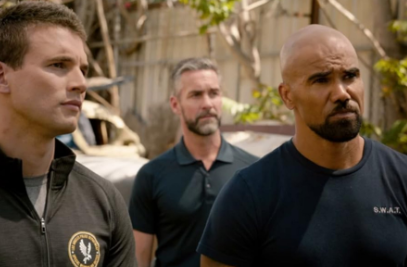
TV’s S.W.A.T. Team Vows to ‘Do Better’ Exploring Race and Policing in Wake of George Floyd Death/Protests
“TV’s S.W.A.T. Team Vows To ‘Do Better’ Exploring Race And Policing In Wake Of George Floyd Death/Protests”
In a powerful and timely development, the cast and crew of S.W.A.T. have publicly committed to a renewed focus on socially conscious storytelling, particularly in exploring race, policing, and community dynamics. The pledge comes in the wake of the nationwide protests following the tragic death of George Floyd, and it underscores the series’ awareness of its cultural influence and the responsibility of representing law enforcement in a complex, nuanced way.
This new direction represents a significant evolution for the series, which has long balanced high-octane action with character-driven drama. By acknowledging societal tensions and promising to do better in portraying the realities of policing, the S.W.A.T. team is setting a precedent for procedural dramas that aspire to combine entertainment with meaningful social commentary.
A Commitment to Responsible Storytelling
The cast, led by Shemar Moore, emphasized that the series must reflect the contemporary challenges faced by communities and law enforcement alike. In interviews and statements shared across social media, Moore and other key members of the production acknowledged that prior episodes sometimes oversimplified the complex realities of policing and race relations, and they committed to addressing these gaps thoughtfully in future storylines.
Fans and critics alike have praised this initiative, noting that television dramas wield significant cultural influence, particularly when depicting institutions such as law enforcement. By tackling these issues head-on, S.W.A.T. signals its dedication to nuanced storytelling that respects both the audience and the communities represented.
Incorporating Real-World Context
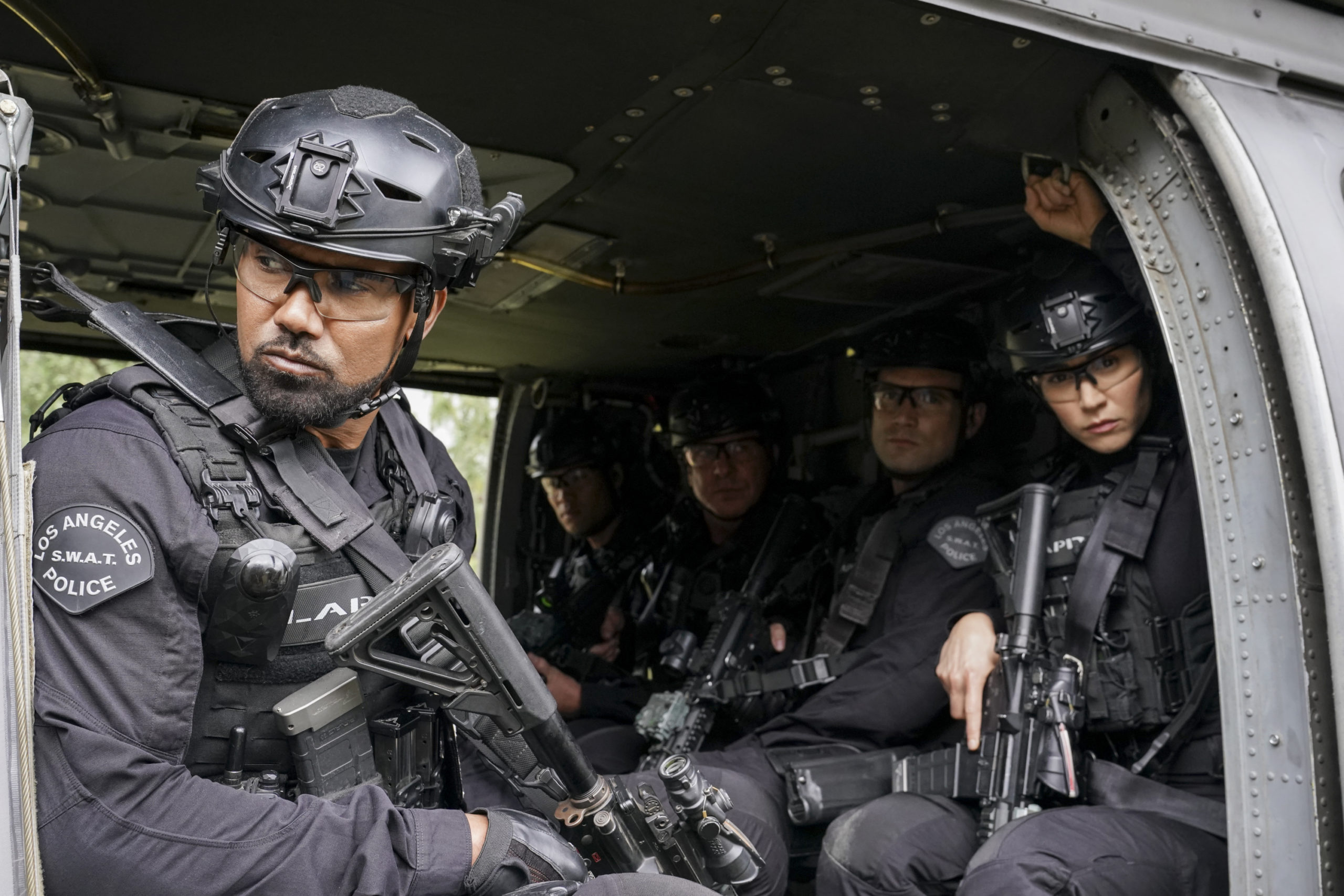
The series plans to integrate scenarios that reflect real-world policing challenges, including community engagement, implicit bias, and accountability. Writers are reportedly consulting with experts and activists to ensure that storylines are informed, accurate, and sensitive. This approach aims to move beyond superficial portrayals and provide viewers with a more balanced and realistic depiction of law enforcement dynamics.
Episodes that previously focused primarily on action and procedural resolution are expected to incorporate narrative threads that examine systemic issues, moral dilemmas, and the personal experiences of both officers and civilians. By doing so, the series aspires to entertain while also fostering dialogue on topics that resonate deeply in today’s social climate.
Character Development and Ethical Dilemmas
Central to this renewed focus is the continued development of Hondo, portrayed by Moore, as a morally conscious leader navigating the challenges of modern policing. Future episodes are expected to explore his internal struggles, ethical decision-making, and efforts to bridge gaps between the police and the communities they serve.
Supporting characters will also face complex moral dilemmas, creating opportunities to highlight diversity of experience and perspective within the squad. These storylines are designed to challenge characters’ assumptions, illuminate systemic issues, and provide audiences with emotionally compelling narratives that reflect the tension and stakes of contemporary law enforcement.
Audience Reactions and Social Impact
Fans have responded with a mix of support and anticipation, eager to see how the series will balance thrilling action sequences with socially relevant storytelling. Social media conversations indicate that viewers appreciate the series’ willingness to engage with real-world issues and hold itself accountable for previously overlooked nuances. Many anticipate that this approach will deepen the audience’s emotional investment while prompting thoughtful discussion about race, policing, and community relations.
Critics have also highlighted that procedural dramas like S.W.A.T. carry the potential to influence public perception, making the series’ commitment to responsible storytelling a significant and laudable development. By acknowledging the social context in which the show operates, the producers aim to elevate the franchise from entertainment to a culturally relevant commentary.
Looking Ahead: Future Storylines
While specific plotlines are being kept under wraps, insiders suggest that upcoming episodes will feature cases that challenge both the squad’s tactical skills and their understanding of ethical and societal implications. Story arcs are expected to incorporate community perspectives, confront systemic inequities, and showcase officers making difficult choices under public scrutiny.
This approach promises to blend the suspense and procedural tension that fans expect with thought-provoking explorations of contemporary social issues. By highlighting both action and reflection, S.W.A.T. aims to maintain its identity as an adrenaline-fueled drama while expanding its cultural resonance.
Conclusion: Entertainment With Purpose
The commitment from S.W.A.T.’s cast and crew to explore race, policing, and community dynamics marks a significant evolution in the series’ approach to storytelling. By blending thrilling action with socially conscious narratives, the show demonstrates that procedural dramas can entertain while contributing meaningfully to cultural conversations.
Fans, critics, and advocates alike will be watching closely as the series navigates this balance, eager to see Hondo and the 20-Squad tackle not only high-stakes operations but also the nuanced ethical challenges that define modern law enforcement. This pledge represents a bold step forward, positioning S.W.A.T. as a franchise willing to engage thoughtfully with the world it depicts.