
“Why S.W.A.T. (2017) Became One of TV’s Most Addictive Action Dramas”
“Why S.W.A.T. (2017) Became One Of TV’s Most Addictive Action Dramas”
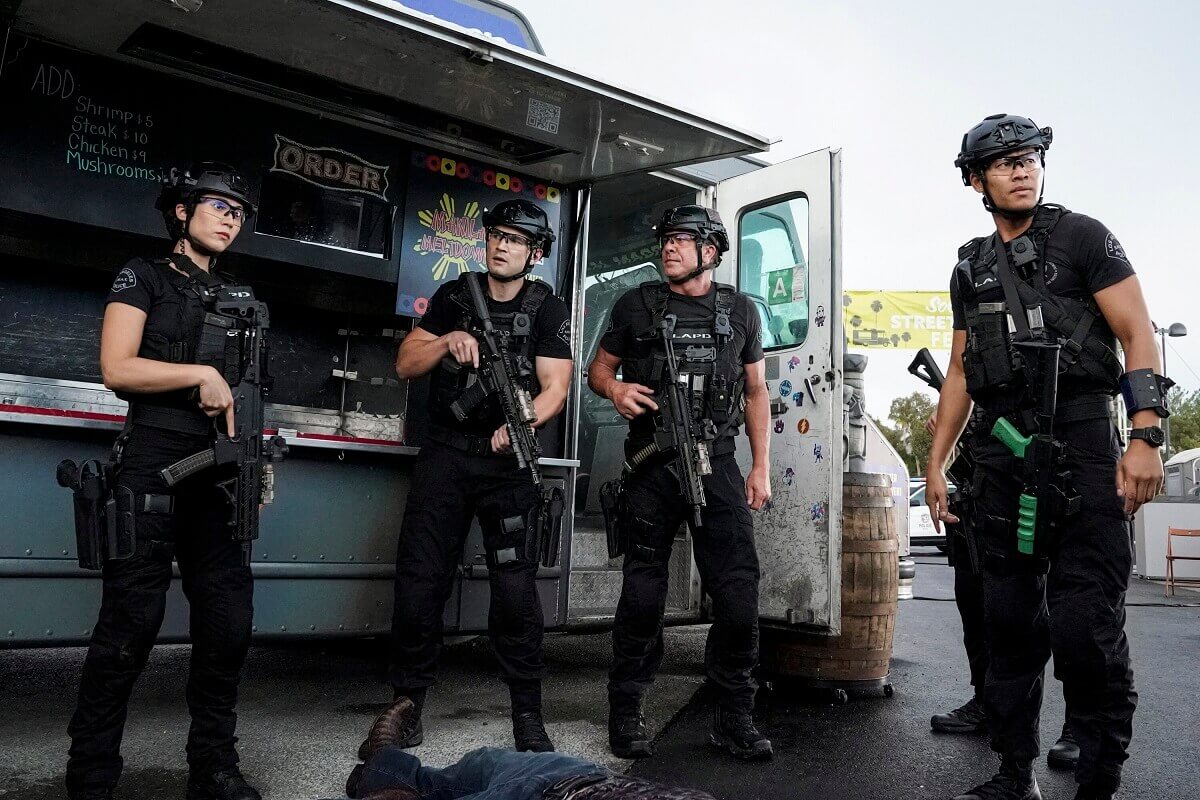
When S.W.A.T. first premiered in 2017, few viewers could have predicted just how massive the series would become. What initially looked like another high-energy police procedural quickly evolved into one of television’s most emotionally addictive action dramas — a franchise that built a fiercely loyal fanbase, survived multiple cancellations, and turned its cast into beloved television icons.
Years later, audiences are still emotionally attached to the world of S.W.A.T., and many fans believe the show succeeded because it delivered something far deeper than explosions, tactical raids, and high-speed operations.
At the center of it all was Shemar Moore as Daniel “Hondo” Harrelson — a character who transformed the series from a standard procedural into an emotionally layered drama about loyalty, sacrifice, leadership, and survival.
And honestly?
That emotional depth may be exactly why viewers could never stop watching.
The Series Balanced Explosive Action With Real Emotional Stakes
One of the biggest reasons S.W.A.T. became so addictive was its ability to blend adrenaline-fueled action with emotionally grounded storytelling.
Every episode delivered dangerous missions, tactical operations, hostage crises, and high-pressure confrontations that kept viewers on edge. But unlike many procedural dramas that focused almost entirely on action, S.W.A.T. constantly returned to the emotional consequences behind the badge.
That balance mattered enormously.
Fans were not simply watching officers complete missions. They were watching human beings carry emotional scars, personal sacrifices, and psychological pressure while trying to protect both their team and their city.
That emotional realism created stronger audience investment than many viewers expected from a network action series.
And once fans became emotionally attached to the characters, the show became impossible to stop watching.
Hondo Became The Emotional Heart Of The Franchise
While the series featured a strong ensemble cast, there is no denying that Hondo became the emotional foundation of S.W.A.T.
Moore’s performance gave the character an emotional complexity rarely seen in traditional action procedurals. Hondo was not portrayed as an invincible hero who always had every answer. Instead, viewers watched him struggle with leadership pressure, emotional burnout, loyalty conflicts, family expectations, and the psychological toll of constantly carrying responsibility for others.
That vulnerability made him relatable.
Fans connected deeply with the idea of a leader trying to stay strong while privately carrying emotional exhaustion and personal doubt. Over time, Hondo evolved into far more than a tactical commander.
He became the emotional soul of the franchise itself.
And according to many longtime viewers, Moore’s ability to balance strength and vulnerability is one of the biggest reasons the series resonated so powerfully for so many years.
The Team Chemistry Made Everything Feel Real
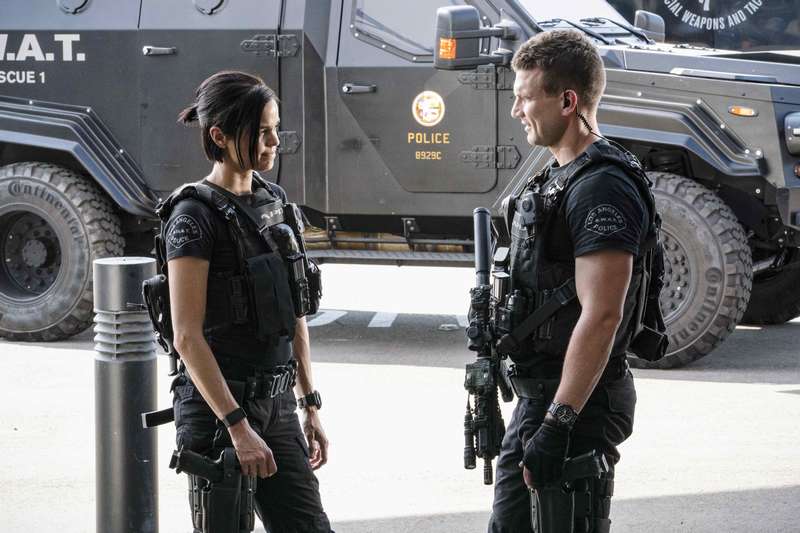
Another reason S.W.A.T. became so beloved was the chemistry between the cast members.
The relationships inside 20-Squad felt authentic from the very beginning. Audiences believed these characters trusted each other with their lives because the emotional connection between the actors felt completely natural on-screen.
That authenticity became essential to the viewing experience.
Fans stayed invested not only because of the action sequences, but because they genuinely cared about the relationships between the team members. The emotional loyalty, friendship, tension, and occasional conflict inside the squad gave the series emotional depth beyond standard procedural formulas.
Over time, the team dynamic evolved into something closer to a family.
And viewers became emotionally attached to every member of that family.
The Show Was Willing To Explore Difficult Themes
While many action dramas focus only on surface-level excitement, S.W.A.T. increasingly gained attention for tackling emotionally and socially complex themes.
Throughout its run, the series explored issues involving trust, identity, policing, trauma, leadership responsibility, emotional resilience, and the difficult balance between duty and personal morality. Those storylines helped elevate the show beyond simple action entertainment.
Fans appreciated that emotional ambition.
The series often placed its characters into morally complicated situations where there were no easy answers, forcing viewers to think beyond the immediate tactical mission unfolding on screen.
That emotional and psychological complexity gave S.W.A.T. a level of maturity that many audiences did not initially expect.
And once the show started leaning more heavily into those themes, viewers became even more invested.
Every Cancellation Battle Made Fans More Loyal
Ironically, one of the biggest reasons S.W.A.T. developed such a passionate fanbase was the constant uncertainty surrounding its future.
Over the years, the franchise repeatedly faced cancellation scares that emotionally devastated audiences. Yet somehow, the series kept finding ways to survive — often through enormous online fan campaigns and public support from the cast.
That struggle changed the relationship between the audience and the show.
Fans no longer felt like passive viewers.
Instead, many viewers felt personally involved in helping keep the franchise alive. Every renewal felt like a victory. Every cancellation felt personal. And every comeback strengthened the emotional bond between the series and its audience even further.
Few procedural dramas ever create that kind of emotional loyalty.
But S.W.A.T. managed to do exactly that.
The Action Sequences Felt Surprisingly Cinematic
Of course, the emotional storytelling would not have worked nearly as well without the show’s impressive action sequences.
One of the defining strengths of S.W.A.T. was its ability to deliver large-scale tactical scenes that often felt more cinematic than typical network television productions. The series consistently raised the stakes with explosive raids, high-speed pursuits, coordinated operations, and emotionally tense confrontations.
Fans loved the intensity.
But what truly separated the show from other procedurals was how emotionally connected the action felt to the characters themselves. Every dangerous mission carried emotional consequences that extended beyond the immediate crisis.
Viewers understood what the characters stood to lose.
And that emotional context made every operation feel more suspenseful.
The Cast’s Real-Life Bond Strengthened The Show

Behind-the-scenes stories from the cast also helped strengthen fan loyalty to the franchise over time.
Viewers gradually learned that many of the emotional relationships visible on-screen reflected genuine friendships behind the cameras as well. The cast repeatedly described the production as a family, especially during emotionally difficult periods involving cancellation uncertainty and industry pressure.
Fans connected strongly with that authenticity.
Knowing the actors genuinely supported one another made the emotional moments inside the show feel even more powerful in retrospect.
And honestly, audiences rarely forget that kind of sincerity.
Why The Franchise Still Resonates Years Later
Even after years of production uncertainty, cancellations, and changing television trends, S.W.A.T. continues generating passionate reactions online because its emotional themes remain relatable.
At its core, the series was never only about tactical operations or dangerous missions.
It was about people trying to survive enormous pressure while protecting the individuals they cared about most. It explored what leadership costs emotionally. It examined loyalty under stress. It showed how trauma and responsibility can slowly shape a person over time.
Those emotional ideas connected deeply with audiences.
And because the characters felt human, viewers remained invested far beyond the action scenes themselves.
Fans Still Aren’t Ready To Let Go
Perhaps the clearest sign of S.W.A.T.’s impact is the fact that fans still refuse to stop talking about it.
Every rumor involving reunions, spinoffs, streaming continuations, or franchise revivals instantly explodes across social media. Viewers continue revisiting emotional episodes, sharing favorite moments, and discussing the legacy of Hondo and the team years after the show first premiered.
That kind of emotional staying power is rare.
Especially for a procedural action drama.
But S.W.A.T. became more than a procedural.
It became a story about resilience — both for the characters inside the series and for the franchise itself.
Why S.W.A.T. Became Truly Addictive
In the end, S.W.A.T. succeeded because it understood something many action dramas forget:
Audiences do not stay emotionally invested for explosions alone.
They stay for the people.
The series delivered thrilling action, but it also gave viewers emotionally layered characters struggling with fear, pressure, loyalty, heartbreak, and survival. Fans watched Hondo and the team fight impossible odds together while carrying emotional wounds that made them feel real.
And once audiences emotionally connected with that world, they simply did not want to leave it behind.
Which may explain why, even now, S.W.A.T. remains one of television’s most addictive action dramas.